


The Future of Health Is No Longer a Concept—It Is Already on Your Wrist and Finger
A few years ago, wearable technology was mainly associated with counting steps and tracking workouts. Most people viewed wearables as simple fitness gadgets designed to help users stay active. Today, however, wearable technology has evolved into something far more powerful.
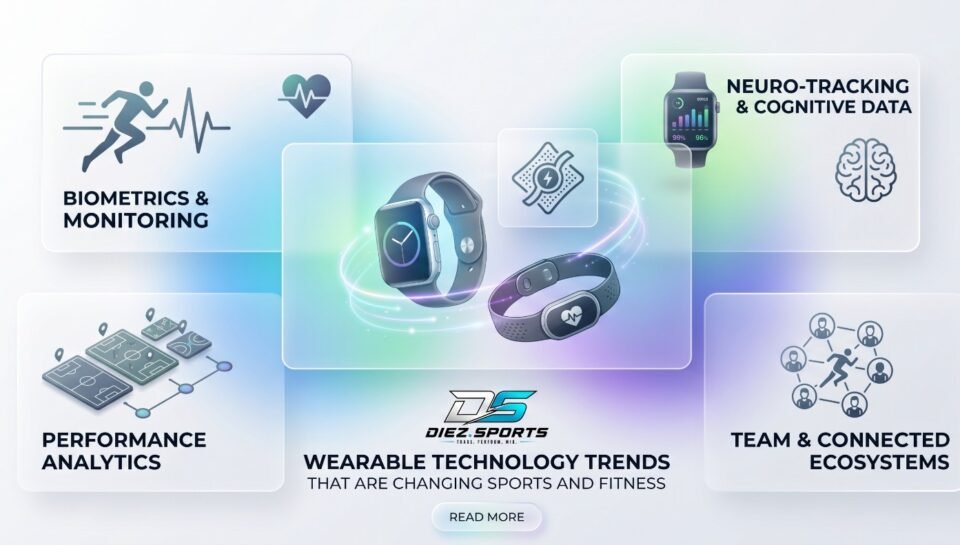
Modern wearables are becoming intelligent health companions capable of monitoring sleep quality, tracking recovery, measuring heart rate, analyzing activity levels, supporting athletic performance, and providing personalized health insights. The industry is evolving rapidly, and 2026 is shaping up to be one of the most exciting years yet for wearable innovation.
Consumers are increasingly searching for smarter ways to monitor their health, improve fitness, manage stress, and maintain wellness. This growing demand has fueled advancements in Smart Rings, smartwatches, fitness bands, and other connected health devices.
As Fitness Technology and Health Technology continue to advance, wearable devices are becoming more accurate, more intelligent, and more useful than ever before.
Understanding the latest wearable technology trends can help consumers make smarter purchasing decisions and prepare for the future of personal health monitoring.
Wearables Are Shifting From Fitness Tracking to Health Intelligence
The biggest trend shaping wearable technology in 2026 is the shift from simple activity tracking to comprehensive health intelligence.
In the past, wearables focused primarily on counting steps, measuring workouts, and tracking calories burned.
Today, users want deeper insights.
They want to understand how sleep affects performance, how stress impacts recovery, and how daily habits influence long-term health.
This demand is driving the development of more advanced Health Tracking Devices capable of monitoring multiple aspects of wellness simultaneously.
Modern wearables are becoming intelligent Personal Health Trackers that provide meaningful information rather than simply collecting data.
This evolution is helping users make better decisions regarding exercise, recovery, sleep, and overall lifestyle habits.
Smart Rings Are Becoming Mainstream
One of the most important wearable technology trends in 2026 is the rise of the Smart Ring.
Once considered a niche product, the Smart Ring has become one of the fastest-growing categories in wearable technology.
Consumers are increasingly attracted to Smart Rings because they provide powerful health monitoring capabilities within a compact and comfortable design.
A Smart Fitness Ring can function as a Health Monitoring Device, Sleep Monitoring Device, Activity Monitoring Device, Recovery Monitoring Device, and Biometric Tracking Device all at the same time.
Unlike larger wearables, Smart Rings offer continuous health tracking without distracting notifications or bulky hardware.
This simplicity appeals to users who want meaningful health insights without constantly interacting with technology.
As awareness grows, demand for the Best Smart Ring in India and globally continues to rise.
Recovery Tracking Is Becoming a Top Priority
For years, fitness culture focused almost entirely on training harder.
Today, people are beginning to recognize that recovery is equally important.
Athletes, fitness enthusiasts, and health-conscious individuals are increasingly interested in understanding how their bodies recover from physical and mental stress.
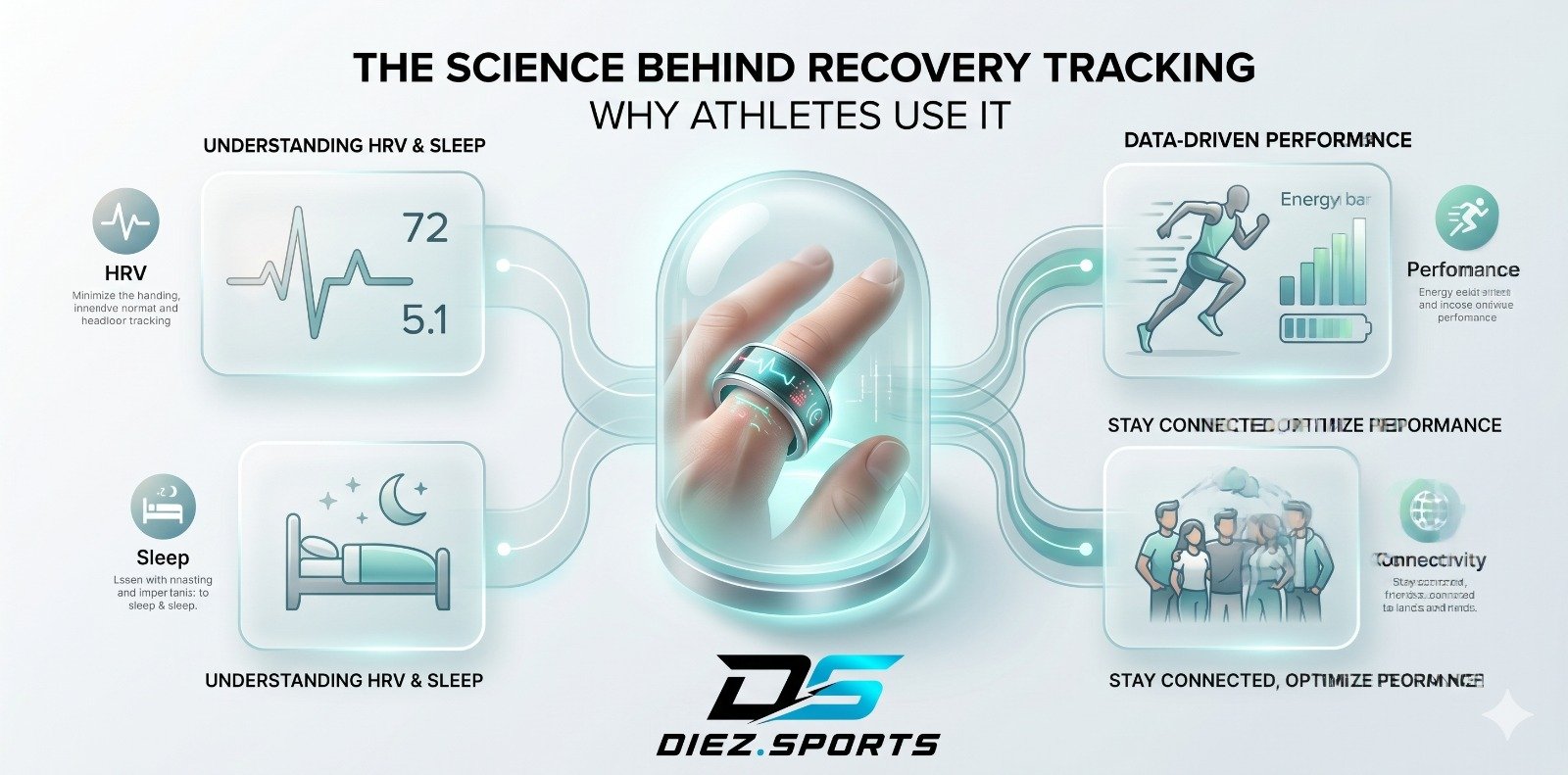
This trend has fueled demand for Recovery Tracking Wearables.
Modern wearables analyze recovery-related indicators such as sleep quality, heart rate trends, and activity levels to provide insights into readiness and overall wellness.
A Recovery Monitoring Device helps users understand when they are fully recovered and when additional rest may be beneficial.
As more consumers embrace this approach, recovery tracking is becoming a standard feature across many wearable devices.
Sleep Monitoring Is More Advanced Than Ever
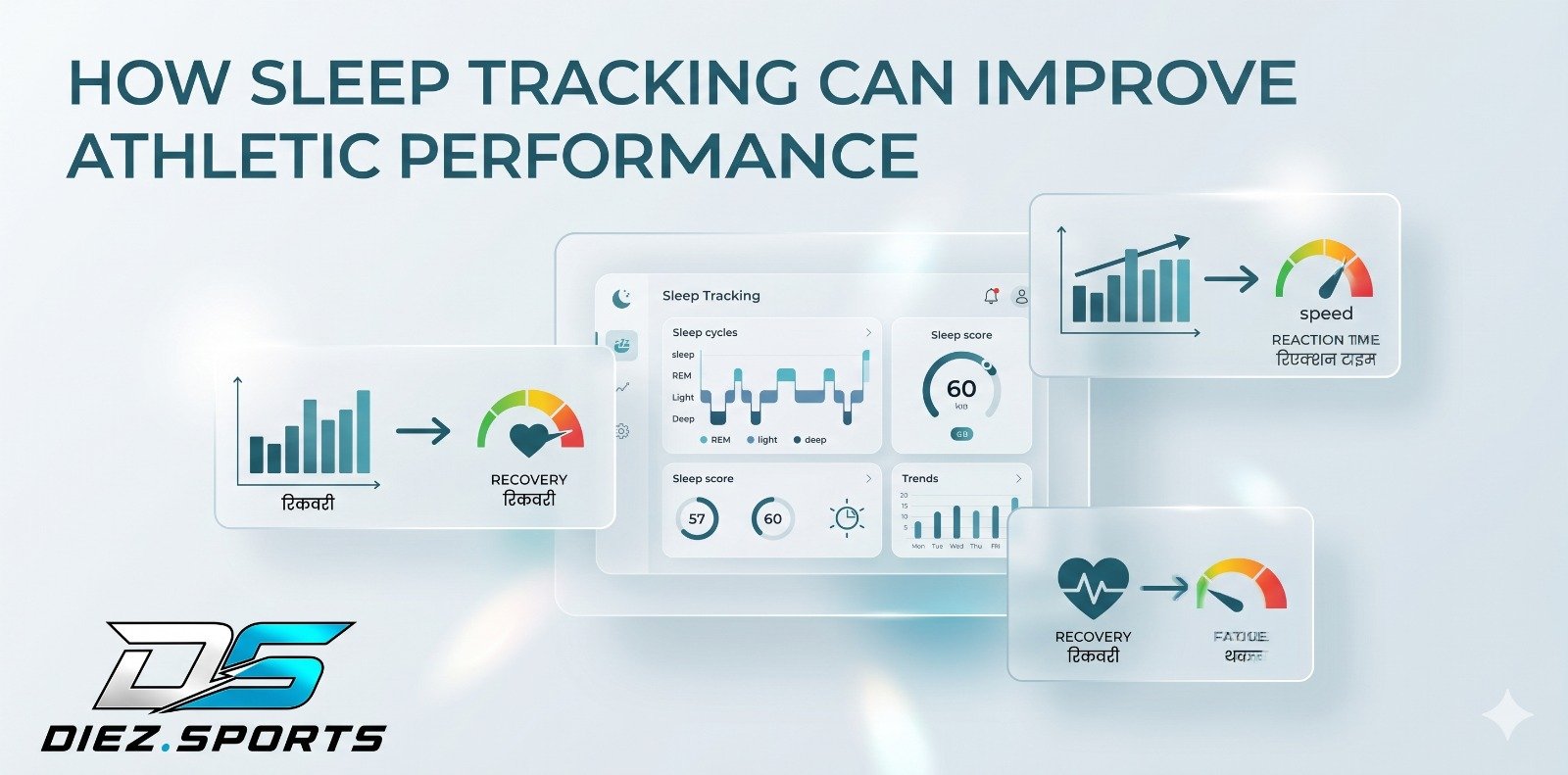
Sleep has become one of the most important areas of focus within wearable technology.
People are beginning to understand that sleep quality influences energy levels, productivity, recovery, mental performance, and long-term health.
As a result, wearable manufacturers are investing heavily in sleep-monitoring capabilities.
Modern Sleep Tracking Devices provide detailed information about sleep patterns, consistency, and recovery-related indicators.
Users are no longer interested solely in how many hours they sleep.
They want to understand how effectively their bodies recover during the night and how lifestyle habits affect sleep quality.
This growing interest is helping drive innovation across the wearable industry.
Artificial Intelligence Is Making Wearables Smarter
Artificial intelligence is rapidly becoming one of the most influential forces in wearable technology.
Modern devices are no longer limited to collecting data.
Instead, they are using AI-powered systems to analyze trends, identify patterns, and generate personalized recommendations.
This shift allows wearables to function more like intelligent health assistants rather than simple tracking devices.
AI can help users understand how changes in sleep, recovery, activity levels, and lifestyle habits affect overall wellness.
As AI capabilities continue improving, wearables will become increasingly effective at delivering actionable health insights.
This trend will likely define the next generation of Health Technology.
Smartwatches Are Becoming Complete Health Ecosystems
The smartwatch category continues evolving at a rapid pace.
While smartwatches originally focused on communication and convenience, they are now becoming comprehensive health platforms.
Consumers searching for the Best Fitness Smart Watch increasingly expect advanced health-tracking features alongside traditional smartwatch functionality.
Modern Health Tracking Smartwatch models offer activity tracking, heart rate monitoring, sleep analysis, fitness support, and wellness insights.
Features such as Bluetooth Calling Smartwatch functionality, productivity tools, and smartphone integration continue to attract users seeking all-in-one wearable solutions.
The smartwatch market remains one of the most competitive segments within wearable technology.
Affordable Smart Watches Are Driving Mass Adoption
Another major trend in 2026 is the increasing accessibility of wearable technology.
A few years ago, advanced wearables were often expensive and limited to premium consumers.
Today, Affordable Smart Watches, Budget Smart Watches, and Smart Watches Under Budget offer impressive capabilities at accessible price points.
This affordability is helping expand the wearable market significantly.
More consumers than ever can access health monitoring, fitness tracking, and wellness insights without making a major financial investment.
As technology becomes more affordable, wearable adoption is expected to continue accelerating worldwide.
Heart Rate Monitoring Is Becoming More Accurate
Heart rate monitoring remains one of the most important features within wearable technology.
Advancements in sensor technology are making heart rate tracking more reliable and more accurate than ever before.
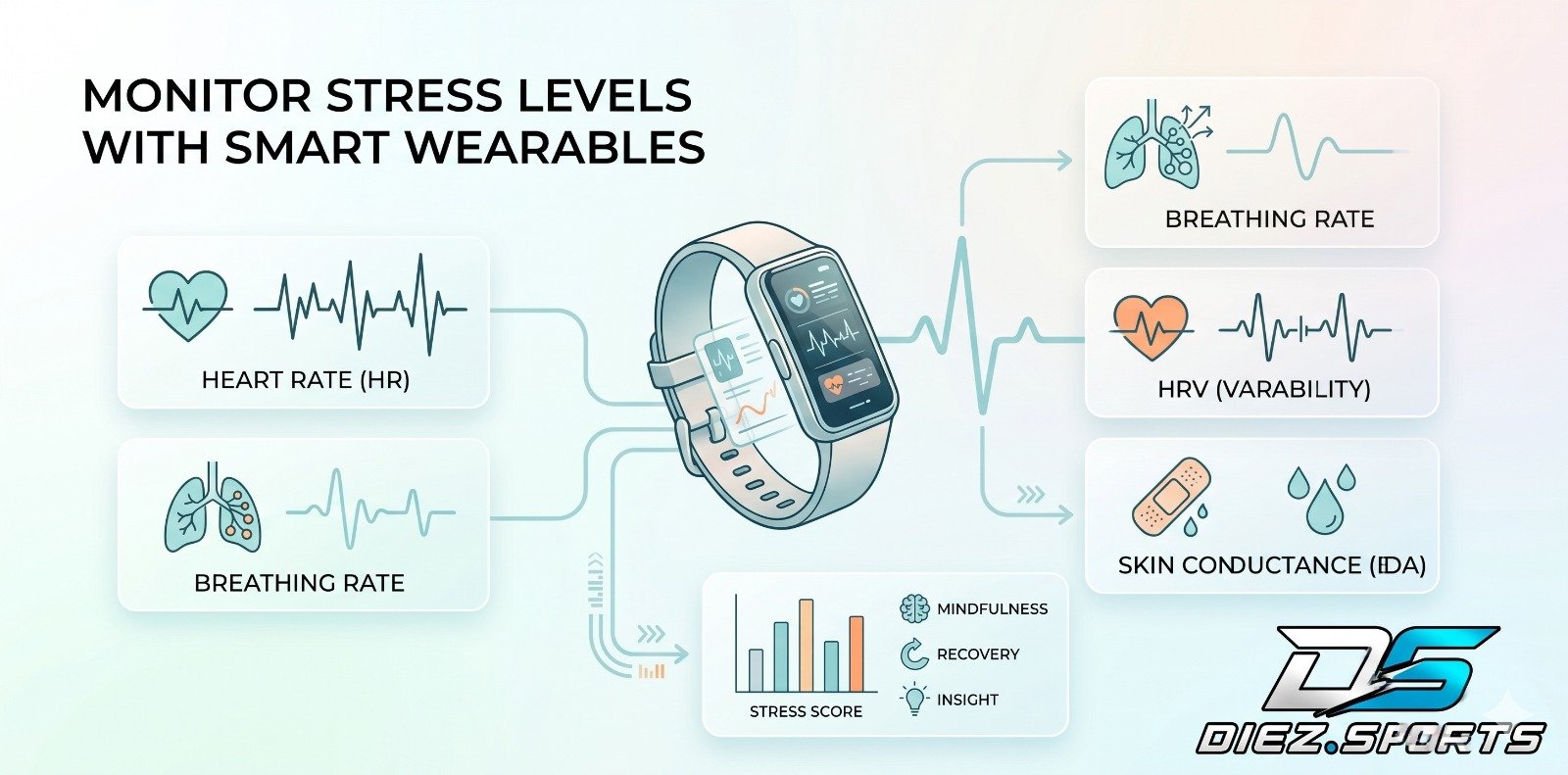
Modern wearables continuously monitor heart rate throughout the day and night, helping users understand how exercise, stress, recovery, and sleep influence overall health.
As a Biometric Tracking Device, a wearable can provide valuable insights that support healthier decisions and more effective fitness strategies.
Improved heart rate accuracy is helping wearables become increasingly useful for both everyday users and serious athletes.
Wearables Are Supporting Preventive Health
One of the most significant shifts occurring in wearable technology is the movement toward preventive health monitoring.
Rather than focusing solely on fitness, many devices are helping users identify patterns that may influence long-term wellness.
A Health Monitoring Device can provide early insights into lifestyle habits, recovery patterns, sleep quality, and overall wellness trends.
This information encourages users to take proactive steps toward better health.
Preventive health is expected to become a major focus area for wearable manufacturers in the coming years.
As technology advances, wearables will likely play an increasingly important role in helping individuals maintain long-term wellness.
Smart Rings and Smartwatches Are Becoming Complementary
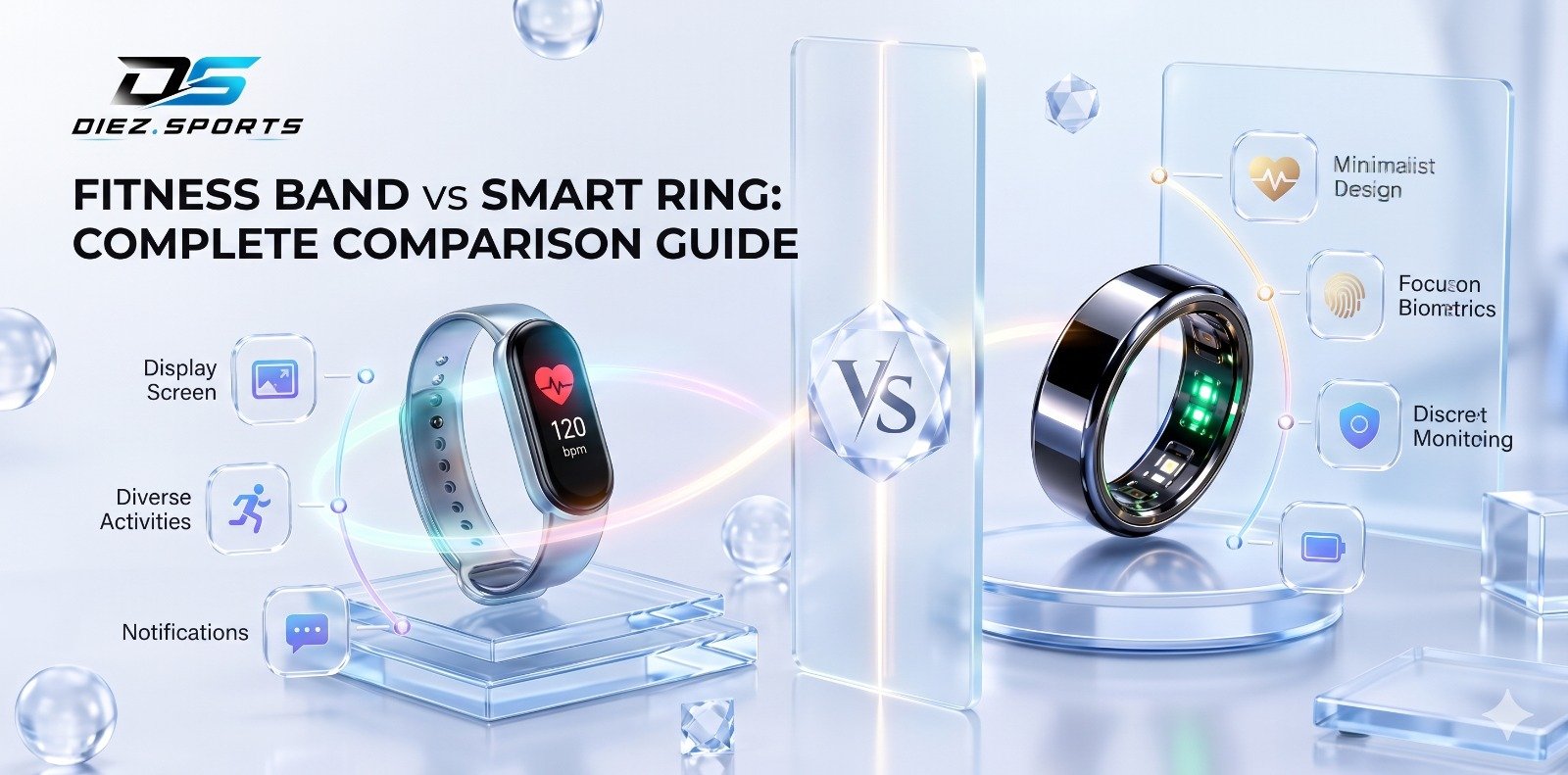
Many consumers assume they must choose between a Smart Ring and a smartwatch.
In reality, the Smart Ring vs Smartwatch debate is becoming less relevant as users begin combining both devices.
A smartwatch excels at workout tracking, communication, and real-time information.
A Smart Ring specializes in recovery monitoring, sleep tracking, and wellness insights.
Together, these devices provide a more complete picture of overall health and performance.
This complementary approach is becoming increasingly popular among athletes and health-conscious consumers.
Sports Performance Tracking Is Expanding
Wearable technology is becoming increasingly important within professional and amateur sports.
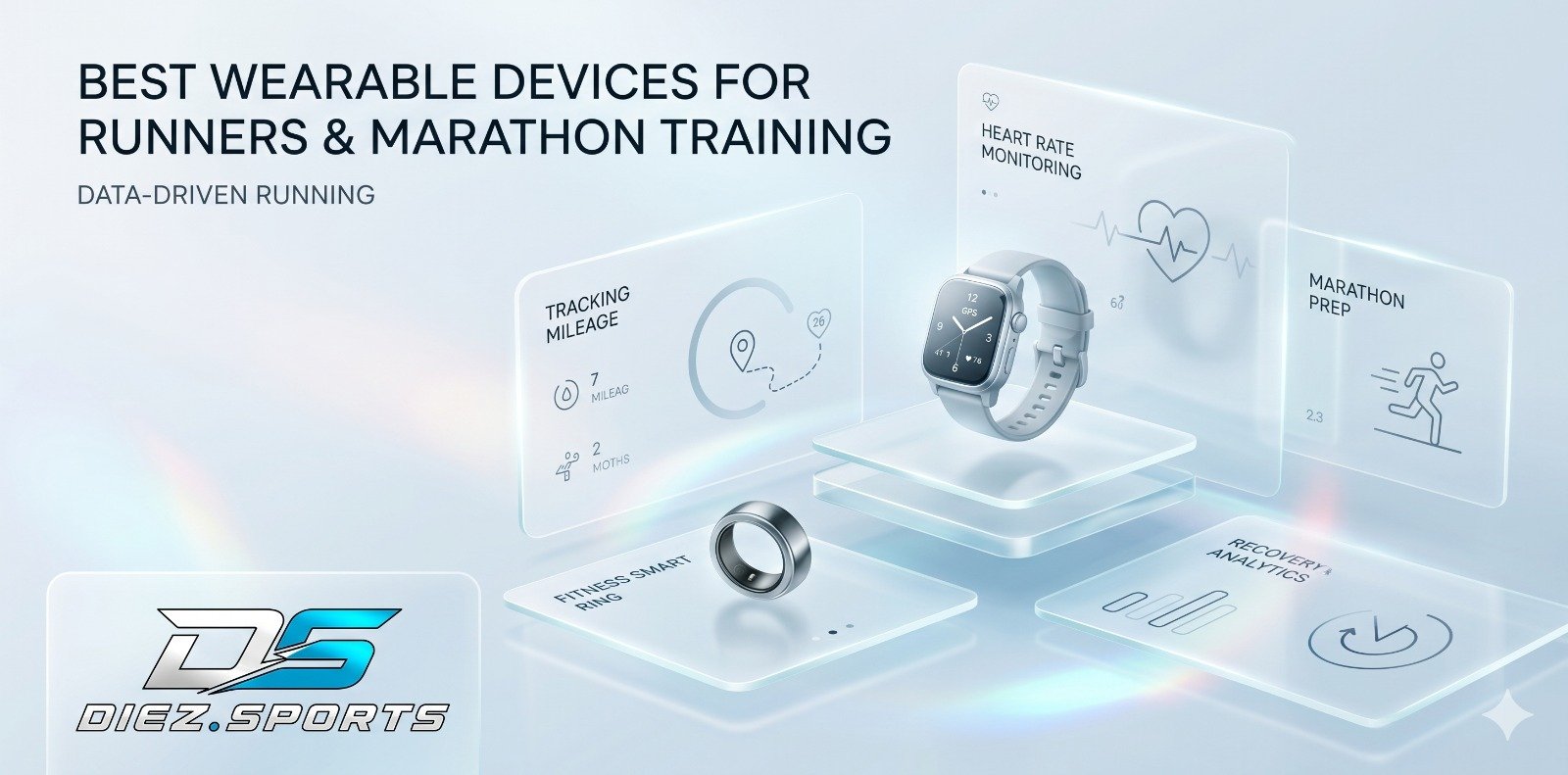
Athletes rely on Sports Performance Trackers to monitor readiness, recovery, activity levels, and overall wellness.
Modern wearables provide insights that help athletes optimize training schedules, improve recovery strategies, and reduce the risk of overtraining.
As sports science continues evolving, wearable technology will play an even greater role in athletic performance management.
This trend is expected to accelerate throughout 2026 and beyond.
Battery Life Is Improving Across All Categories
Battery life remains one of the most important considerations for wearable users.
Manufacturers are investing heavily in battery efficiency and power management technologies.
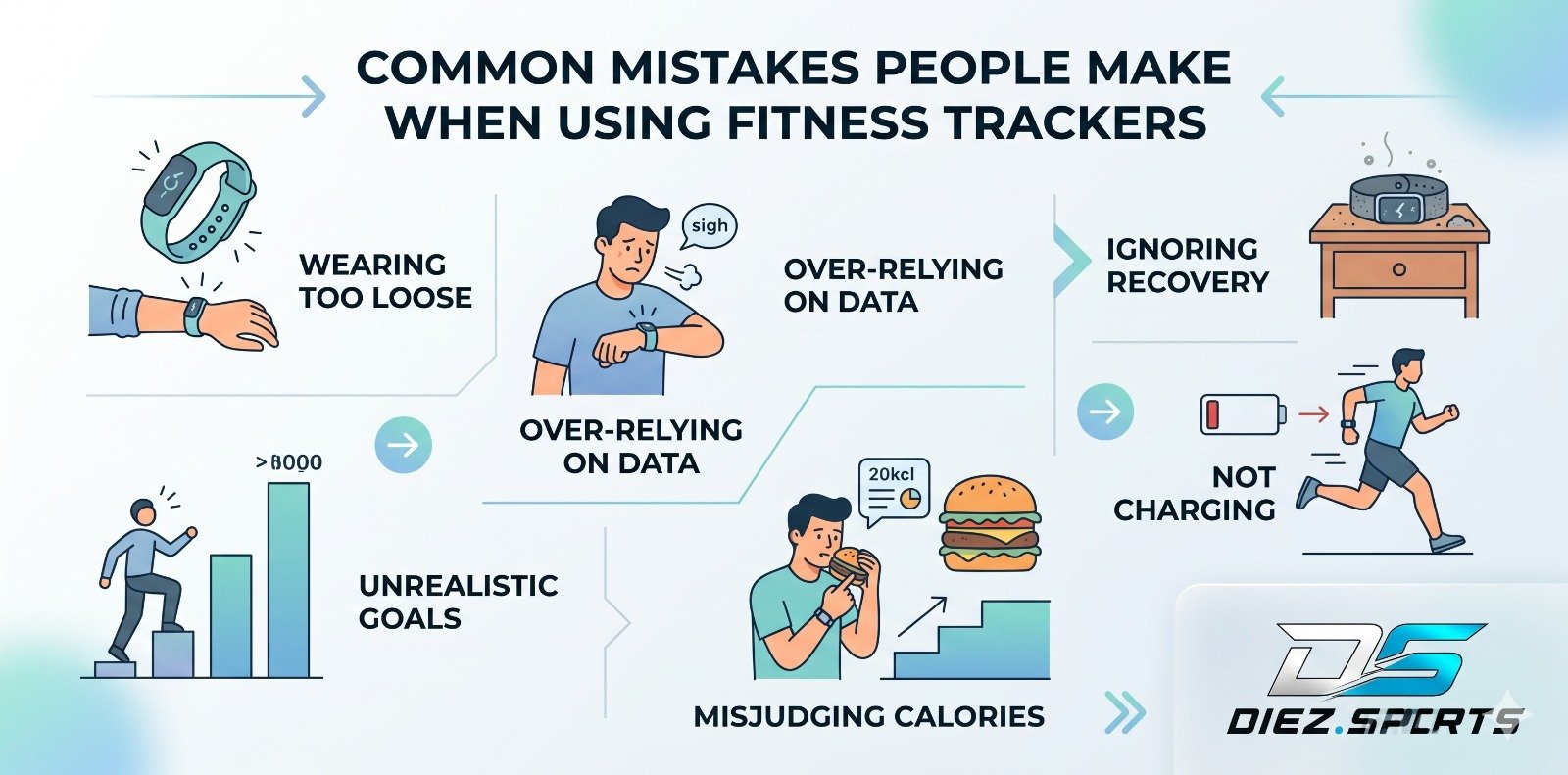
Consumers want devices that can provide continuous monitoring without requiring frequent charging.
This demand is driving improvements across Smart Rings, fitness trackers, and smartwatches.
Future devices are expected to offer longer battery life while supporting increasingly advanced health-monitoring features.
The Rise of Personalized Health Tracking
Generic health recommendations are becoming less relevant.
Consumers increasingly expect personalized insights tailored to their unique lifestyles and wellness goals.
Modern Personal Health Trackers analyze individual data to provide customized recommendations related to activity, sleep, recovery, and overall health.
This personalization is making wearable technology more effective and more engaging.
The future of health tracking will focus heavily on individualized wellness experiences.
The Future of Wearable Technology
The wearable industry is entering an exciting new phase.
Advancements in artificial intelligence, biometric monitoring, sensor accuracy, and Health Technology are transforming wearables into sophisticated health companions.
Future devices will likely provide deeper insights into recovery, stress management, sleep quality, activity patterns, and overall wellness.
As wearable technology becomes more intelligent and personalized, its role in everyday life will continue expanding.
Consumers can expect smarter devices, more accurate monitoring, and increasingly valuable health insights in the years ahead.
Conclusion
Wearable technology in 2026 is no longer limited to tracking steps or counting calories.
Smart Rings, smartwatches, fitness trackers, and other connected devices are becoming powerful tools for health monitoring, recovery analysis, sleep tracking, fitness optimization, and preventive wellness.
As a Fitness Tracking Device, Health Tracking Device, Sleep Monitoring Device, Recovery Monitoring Device, Activity Monitoring Device, and Smart Wearable for Health and Fitness, modern wearables are transforming how people understand and manage their health.
The trends shaping the industry today will define the future of personal wellness for years to come.
Whether you are an athlete, fitness enthusiast, or someone simply looking to improve overall health, wearable technology offers more opportunities than ever to take control of your wellness journey.
Contact Details
Website: Diez Sportz
Phone: +91-7023003060
Email: diezsports.web@gmail.com