


Your Fitness Tracker Can Only Help If You Use It Correctly
Fitness trackers have become one of the most popular pieces of wearable technology in the world. Millions of people now use Smart Rings, fitness bands, smartwatches, and other wearable devices to monitor their health, track workouts, improve sleep, and achieve fitness goals.
These devices provide valuable information about activity levels, heart rate, recovery, sleep quality, and overall wellness. They function as a Fitness Tracking Device, Health Tracking Device, Activity Monitoring Device, and Personal Health Tracker all at the same time.
However, many people assume that simply wearing a fitness tracker will automatically improve their health.
The reality is very different.
A fitness tracker is a tool, not a magic solution. The quality of the results depends largely on how the device is used and how the information is interpreted.
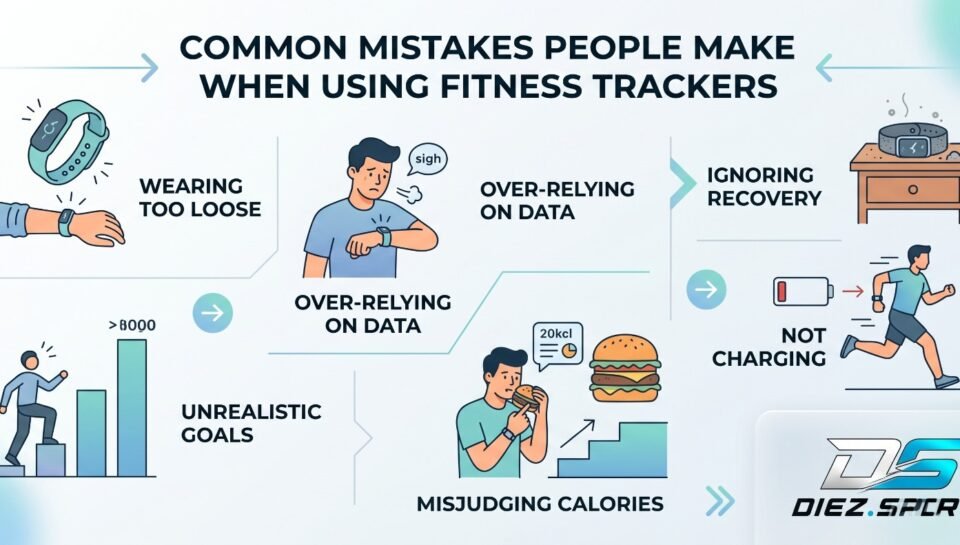
Many users make common mistakes that limit the effectiveness of their wearable technology. Some become overly dependent on the data, while others misunderstand what the metrics actually mean.
Understanding these mistakes can help you get more value from your device and make better decisions about your health and fitness journey.
Mistake #1: Obsessing Over Daily Numbers
One of the most common mistakes fitness tracker users make is becoming obsessed with daily metrics.
Many people constantly check step counts, calorie estimates, heart rate readings, and activity scores throughout the day.
While tracking data is useful, focusing too heavily on a single day’s numbers can be misleading.
Health and fitness improvements occur over weeks, months, and years rather than in a single day.
A Fitness Tracking Device is designed to reveal long-term trends rather than provide instant validation.
Instead of worrying about every small fluctuation, users should focus on patterns that develop over time.
Consistent habits matter far more than isolated daily measurements.
Mistake #2: Ignoring Recovery Data
Many people use wearable technology primarily for activity tracking.
They focus heavily on workouts while completely ignoring recovery-related information.
This is a major mistake.
Recovery plays a critical role in overall fitness progress, athletic performance, and long-term wellness.
A Recovery Monitoring Device provides valuable insight into how effectively the body is adapting to physical and mental stress.
Ignoring recovery data can lead to excessive fatigue, reduced performance, and increased injury risk.
Modern wearables offer much more than workout tracking.
Understanding recovery trends can be just as important as monitoring exercise itself.
Mistake #3: Believing Calorie Estimates Are Perfectly Accurate
Many users assume the calorie numbers displayed by their wearable device are completely accurate.
While wearable technology continues to improve, calorie calculations remain estimates.
A Fitness Tracking Device uses algorithms based on activity levels, movement patterns, heart rate data, and personal information to estimate energy expenditure.
These estimates can be useful for understanding general trends, but they should not be treated as exact measurements.
People who rely exclusively on wearable calorie calculations may develop unrealistic expectations regarding weight loss or weight maintenance.
The best approach is to use calorie data as a guideline rather than an absolute value.
Mistake #4: Wearing the Device Incorrectly
Even the most advanced Health Monitoring Device cannot provide accurate information if it is worn incorrectly.
Poor fit is one of the most common causes of inaccurate readings.
A device that is too loose may struggle to maintain consistent contact with the skin.
This can affect heart rate monitoring, activity tracking, and other health metrics.
Whether using a Smart Ring, fitness tracker, or smartwatch, proper fit is essential.
The device should remain secure and comfortable without restricting movement or circulation.
Correct placement improves accuracy and enhances the overall user experience.
Mistake #5: Focusing Only on Step Counts
Step counting remains one of the most popular features offered by wearable devices.
However, many users become so focused on step goals that they overlook other important aspects of health.
Movement is valuable, but health is about much more than daily step totals.
Sleep quality, recovery status, exercise intensity, stress management, and overall lifestyle habits all influence wellness.
A modern Personal Health Tracker provides a much broader perspective than simple step counting.
Users who focus exclusively on steps often miss valuable insights related to recovery, sleep, and overall health.
A balanced approach produces better long-term results.
Mistake #6: Ignoring Sleep Tracking Data
Sleep is one of the most important factors influencing health, recovery, and performance.
Unfortunately, many users rarely review the sleep data collected by their wearable devices.
A Sleep Monitoring Device provides valuable information about recovery and overall wellness.
Poor sleep can negatively affect energy levels, workout performance, mood, concentration, and long-term health.
Ignoring sleep data means missing one of the most important health indicators available through wearable technology.
A Sleep Tracking Device can help users identify habits that influence sleep quality and support healthier routines.
For many individuals, improving sleep can produce greater benefits than increasing workout volume.
Mistake #7: Comparing Your Data With Other People
Many users compare their fitness tracker results with friends, family members, coworkers, or online communities.
This often leads to confusion and unrealistic expectations.
Every person has unique health characteristics, fitness levels, lifestyles, recovery needs, and goals.
A metric that represents excellent recovery for one person may mean something completely different for another.
The purpose of a Personal Health Tracker is to help users understand their own bodies.
Progress should be measured against personal trends rather than comparisons with others.
Long-term self-improvement is far more meaningful than external competition.
Mistake #8: Ignoring Stress and Wellness Indicators
Modern wearable technology has evolved far beyond fitness tracking.
Today’s devices provide valuable insights into overall wellness and stress management.
Many users continue focusing exclusively on workouts while ignoring broader health metrics.
A Smart Ring, Health Tracking Smartwatch, or Health Monitoring Device can provide valuable information about stress levels, recovery quality, and overall well-being.
These indicators often reveal patterns that influence physical performance and long-term health.
Users who pay attention to wellness data gain a more complete understanding of their health.
This awareness supports smarter lifestyle decisions and better long-term outcomes.
Mistake #9: Expecting Immediate Results
Many people purchase wearable technology expecting rapid transformations.
They assume that tracking activity and monitoring health metrics will immediately lead to weight loss, improved fitness, or better wellness.
A fitness tracker provides information.
The user must still take action.
Real progress requires consistency, patience, and healthy habits over time.
A Fitness Tracking Device supports behavior change, but it cannot replace exercise, recovery, nutrition, or lifestyle improvements.
Users who view wearables as long-term tools rather than quick solutions tend to achieve better results.
Mistake #10: Not Reviewing Long-Term Trends
One of the greatest strengths of wearable technology is its ability to collect data over extended periods.
Unfortunately, many users focus only on daily summaries and never review long-term trends.
This is a missed opportunity.
Long-term patterns often provide the most valuable insights.
Changes in activity levels, recovery status, sleep quality, and heart rate trends can reveal important information about overall health.
A Health Tracking Device is most effective when used to identify these patterns.
Reviewing monthly and quarterly trends often provides more meaningful information than focusing on individual days.
Mistake #11: Ignoring Heart Rate Trends
Heart rate monitoring is one of the most valuable features available in wearable technology.
However, many users only glance at current heart rate readings without paying attention to broader trends.
Changes in heart rate patterns can provide insight into recovery, fitness adaptation, stress levels, and overall wellness.
A Biometric Tracking Device helps users understand how their bodies respond to exercise, sleep, and lifestyle habits.
Monitoring long-term heart rate trends often provides a clearer picture of health than isolated measurements.
Users who pay attention to these trends gain a deeper understanding of their overall wellness.
Mistake #12: Not Taking Advantage of Recovery Tracking
Athletes have long understood the importance of recovery.
Today, recovery tracking is available to everyone through wearable technology.
A Recovery Tracking Wearable provides valuable information about how effectively the body is adapting to training and daily stress.
Many users ignore these insights and continue training based solely on motivation or habit.
This approach can lead to burnout and inconsistent performance.
Understanding recovery status helps users make smarter decisions regarding exercise intensity and rest.
Recovery awareness often improves long-term consistency and results.
Mistake #13: Choosing the Wrong Wearable for Your Goals
Not every wearable device serves the same purpose.
Some users purchase a smartwatch when they actually need a recovery-focused Smart Ring.
Others choose a basic fitness tracker despite wanting advanced wellness insights.
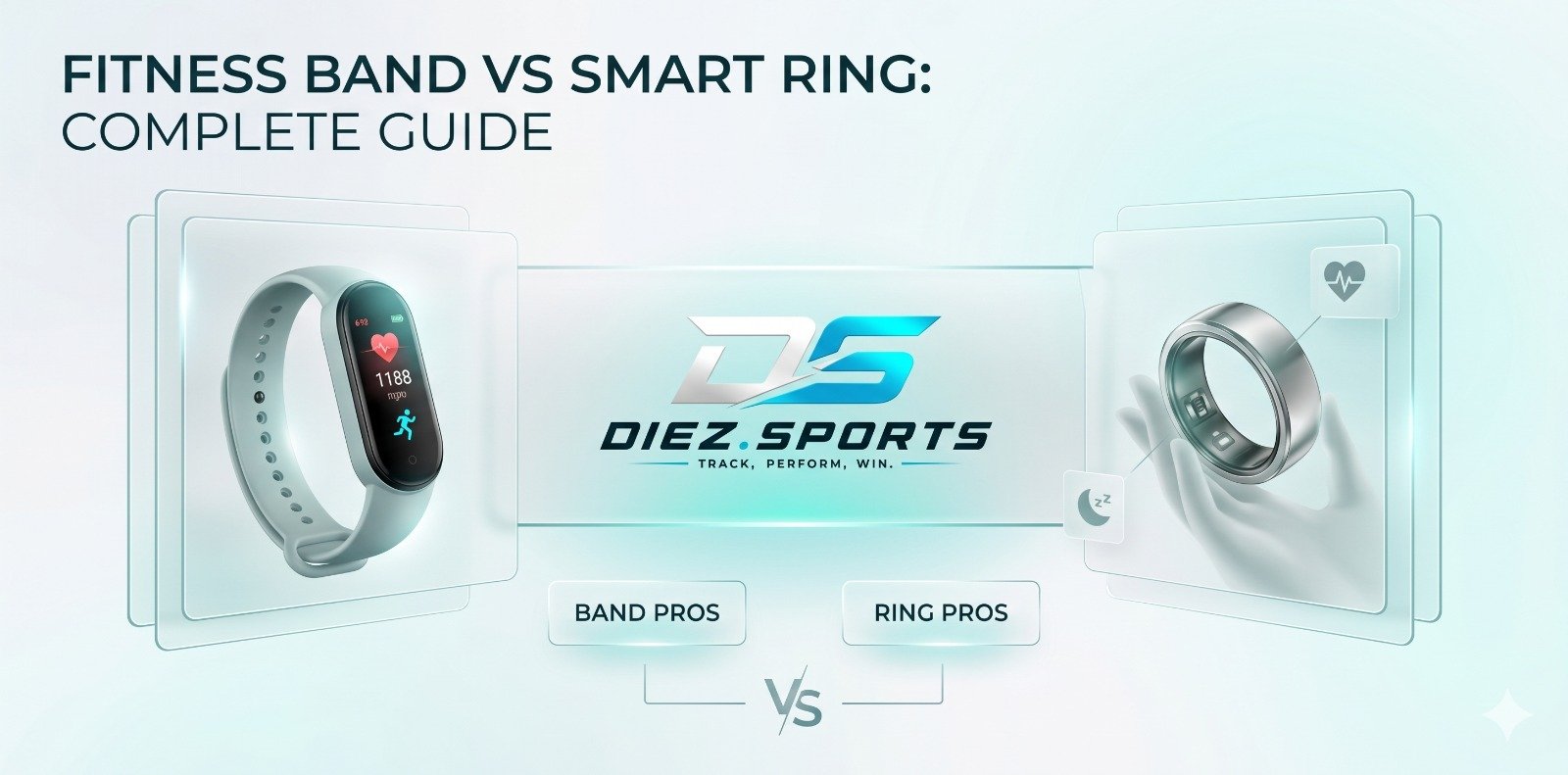
The Smart Ring vs Smartwatch decision depends on personal priorities.
A Smart Ring often excels at sleep tracking, recovery monitoring, and wellness analysis.
A smartwatch may provide additional features such as communication tools, workout monitoring, and smartphone integration.
Consumers searching for the Best Fitness Smart Watch, Best Smart Ring in India, Bluetooth Calling Smartwatch, or Smart Wearable for Health and Fitness should choose devices based on their specific goals rather than popularity alone.
Mistake #14: Wearing the Device Inconsistently
Consistency is essential for accurate health tracking.
A device can only provide meaningful insights when it collects sufficient data.
Many users remove their wearables frequently or forget to wear them altogether.
This creates gaps in information and reduces the reliability of long-term trends.
Whether using a Smart Ring, Activity Monitoring Device, or Health Tracking Smartwatch, consistent wear improves data quality and overall usefulness.
The more complete the data, the more valuable the insights become.
The Future of Fitness Tracking
Wearable technology continues evolving rapidly.
Advancements in Fitness Technology, artificial intelligence, biometric monitoring, and Health Technology are making devices more intelligent and more personalized.
Future wearables will provide even deeper insights into sleep quality, recovery readiness, stress management, and overall wellness.
However, the value of these innovations will always depend on how users interpret and apply the information.
Technology provides guidance, but healthy habits remain the foundation of long-term success.
Conclusion
Fitness trackers are powerful tools for improving health, monitoring activity, tracking recovery, and supporting wellness goals.
However, many users limit their results by making common mistakes such as obsessing over daily numbers, ignoring recovery data, overlooking sleep quality, comparing themselves to others, or expecting immediate results.
Whether you use a Smart Ring, Fitness Tracking Device, Health Monitoring Device, Sleep Monitoring Device, Recovery Monitoring Device, or Smart Wearable for Health and Fitness, the key is to focus on long-term trends and sustainable habits.
When used correctly, wearable technology can provide valuable insights that support healthier decisions, improved fitness, and better overall well-being.
Contact Details
Website: Diez Sportz
Phone: +91-7023003060
Email: diezsports.web@gmail.com