


The Best Athletes in the World Focus on Recovery as Much as Training
Most people believe athletic success comes from training harder, lifting heavier, running longer, or spending more time practicing. While training is essential, modern sports science has revealed something that elite athletes have known for years: performance improvements do not happen during workouts. They happen during recovery.
Every workout creates physical stress. Muscles experience microscopic damage, energy stores become depleted, the nervous system becomes fatigued, and the body is pushed away from its normal state. Recovery is the process that allows the body to repair itself, adapt to training, and return stronger than before.
This understanding has transformed the way athletes approach performance. Instead of focusing only on training volume and intensity, athletes now pay close attention to sleep quality, recovery status, stress levels, activity patterns, and overall wellness.
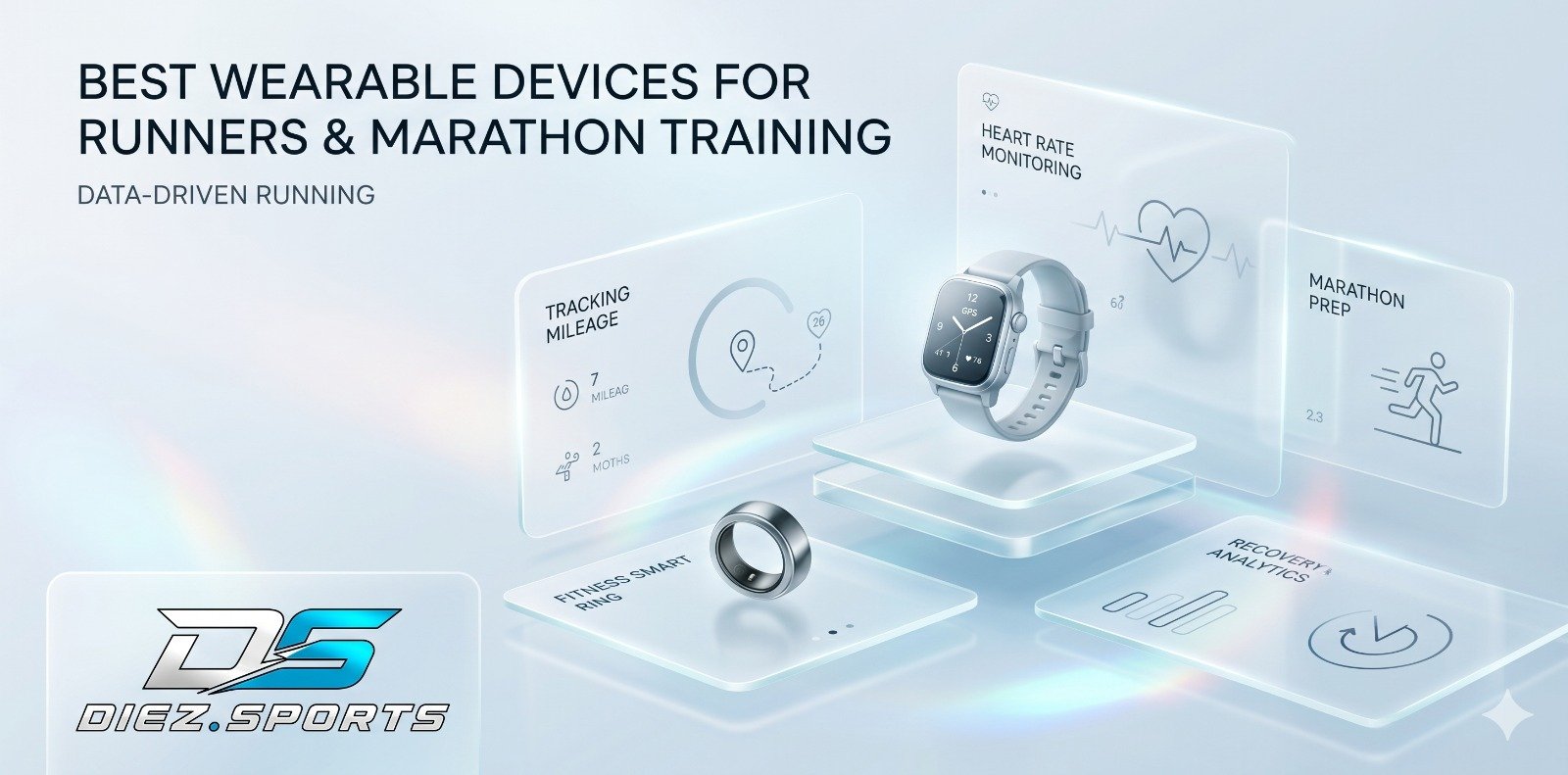
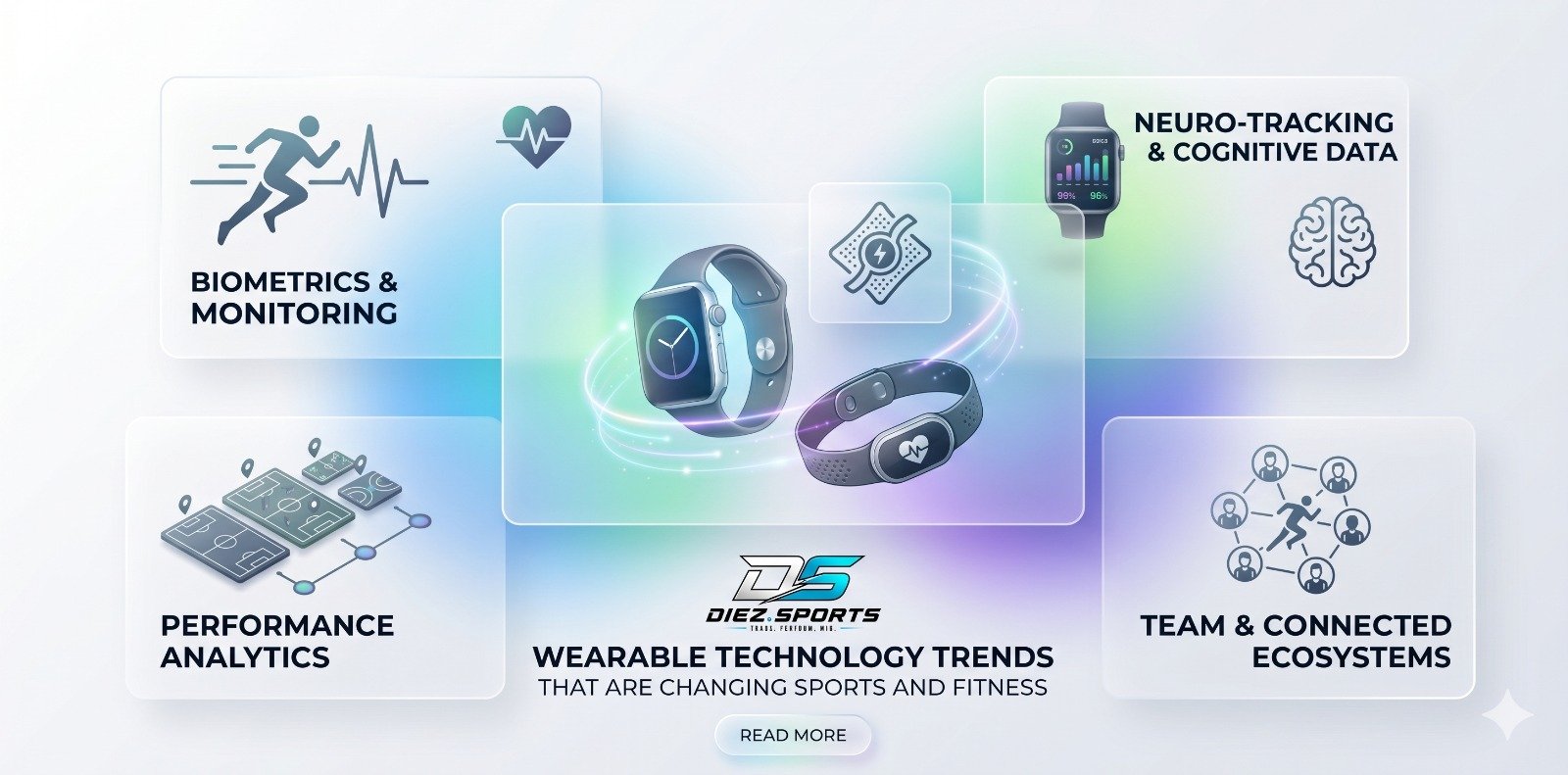
The rise of Wearable Technology has made recovery tracking more accessible than ever. Through Smart Rings, fitness trackers, and Health Tracking Smartwatch devices, athletes can now monitor recovery in real time and gain insights that help optimize performance.
Recovery tracking has become one of the most important tools in modern sports science, helping athletes train smarter, reduce injury risk, and achieve better long-term results.
What Is Recovery Tracking?
Recovery tracking is the process of monitoring physiological signals that indicate how well the body is recovering from physical and mental stress.
Rather than relying solely on how someone feels, recovery tracking uses measurable data to evaluate readiness, wellness, and recovery status.
A Recovery Monitoring Device collects information related to sleep quality, heart activity, activity levels, and overall health trends. This data is then analyzed to provide insights into how effectively the body is adapting to training and daily demands.
Modern recovery tracking helps athletes understand whether they are ready for intense exercise or whether additional recovery may be beneficial.
This approach removes much of the guesswork from training decisions and allows athletes to make more informed choices.
Why Recovery Matters More Than Most People Realize ?
Many athletes spend years focusing almost entirely on workouts.
They believe more training automatically leads to better performance.
Unfortunately, this mindset often leads to fatigue, burnout, stalled progress, and increased injury risk.
The body becomes stronger only after it has had enough time to recover from training stress.
Without adequate recovery, performance gains become difficult to achieve.
Recovery influences strength development, endurance improvements, muscle growth, mental focus, reaction time, and overall athletic readiness.
This is why elite athletes often view recovery as an essential component of training rather than a break from it.
The athletes who recover effectively are often the athletes who perform consistently at the highest level.
The Science of Adaptation
To understand recovery tracking, it helps to understand how the body adapts to exercise.
Every training session creates a controlled amount of stress.
This stress temporarily reduces performance capacity.
After the workout, the body begins repairing damaged tissues, replenishing energy stores, and strengthening physiological systems.
This process is known as adaptation.
When recovery is sufficient, adaptation occurs successfully, and performance improves.
When recovery is inadequate, adaptation becomes impaired.
Over time, insufficient recovery can lead to chronic fatigue, reduced performance, and increased injury risk.
Recovery tracking helps athletes monitor this adaptation process and make adjustments when necessary.
This scientific approach has become a cornerstone of modern Fitness Technology.
Sleep: The Foundation of Recovery
Sleep is one of the most important factors influencing recovery.
During sleep, the body performs many critical repair and restoration processes.
Muscle tissue repairs itself, hormones are regulated, energy reserves are restored, and the nervous system recovers from physical and mental stress.
Poor sleep can significantly impair recovery and athletic performance.
Athletes who consistently experience inadequate sleep often struggle with reduced strength, slower reaction times, decreased endurance, and lower motivation.
A Sleep Monitoring Device helps athletes understand how sleep quality influences recovery status.
By tracking sleep consistently, athletes can identify habits that support or hinder recovery.
Many professional athletes consider sleep optimization one of the most effective ways to improve performance.
How Recovery Tracking Uses Heart Rate Data ?
Heart rate is one of the most important metrics used in recovery tracking.
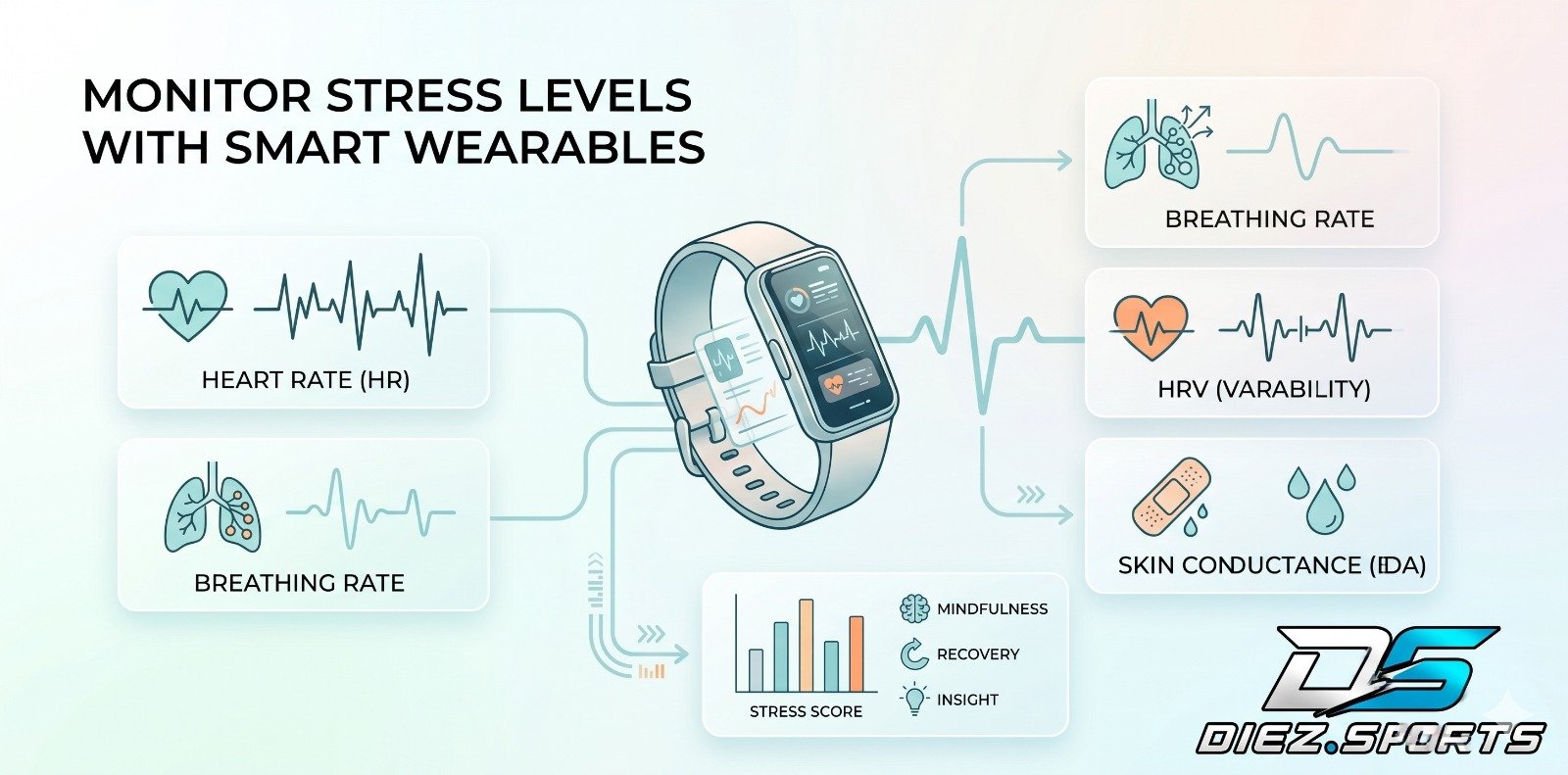
A Recovery Tracking Wearable continuously monitors heart activity throughout the day and night.
Changes in heart rate patterns can provide valuable insight into how the body is responding to stress and recovery demands.
When the body is recovering effectively, heart rate trends often remain stable.
Unexpected changes may indicate fatigue, illness, excessive stress, or inadequate recovery.
By monitoring these trends, athletes gain a deeper understanding of their physiological readiness.
This information supports smarter training decisions and helps reduce unnecessary strain on the body.
Heart Rate Variability and Recovery
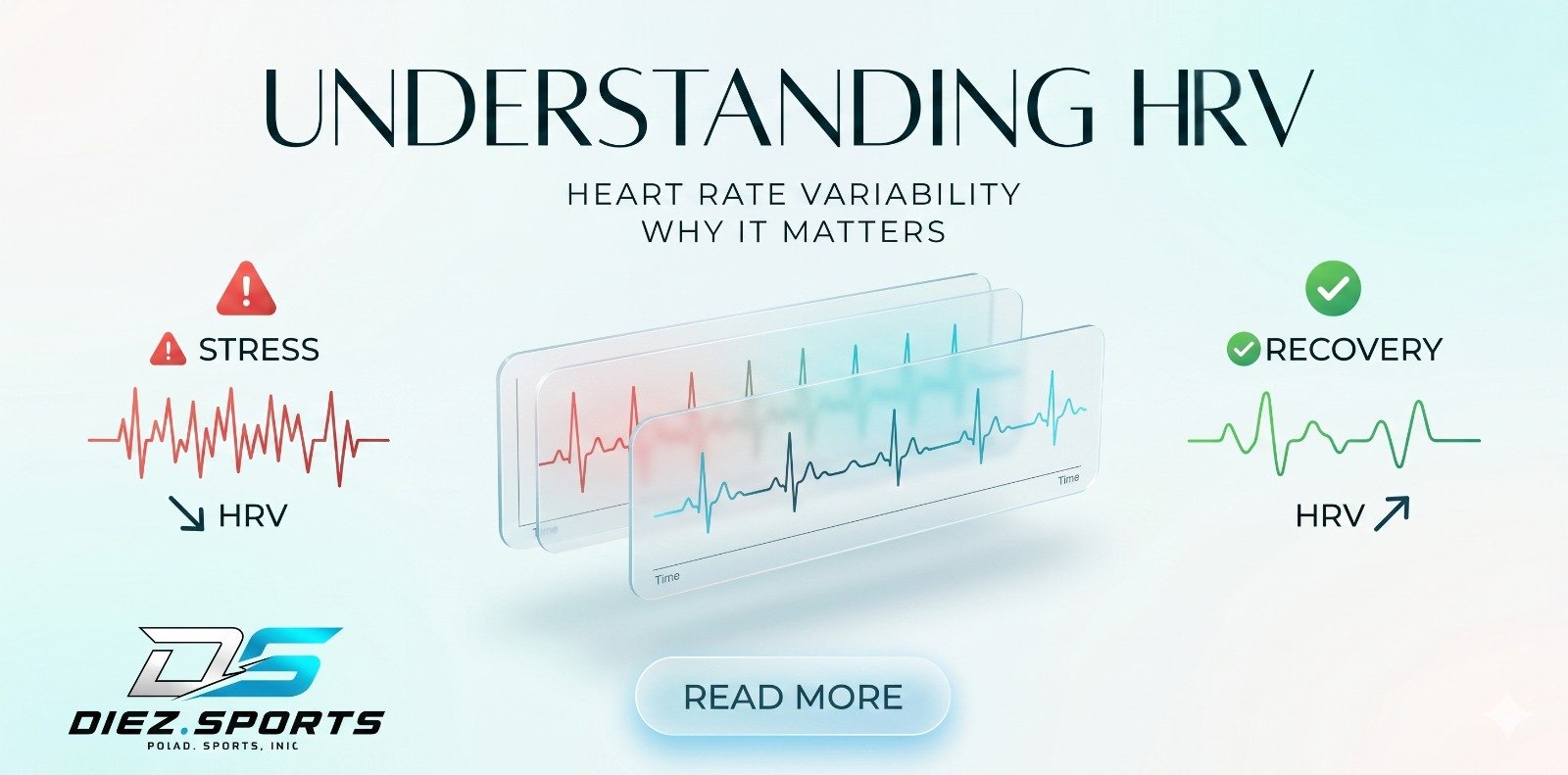
One of the most powerful recovery metrics used by athletes today is Heart Rate Variability, often referred to as HRV.
HRV measures the variation in time between consecutive heartbeats.
While many people focus on heart rate itself, HRV often provides deeper insight into recovery and overall wellness.
Higher HRV values are generally associated with greater recovery capacity and better adaptation to stress.
Lower HRV values may indicate fatigue, insufficient recovery, elevated stress, or illness.
Many modern Smart Rings and Health Monitoring Devices include HRV tracking because it provides valuable information about physiological readiness.
Athletes use HRV trends to determine whether they are prepared for intense training or should prioritize recovery.
Why Smart Rings Are Becoming Popular for Recovery Tracking ?
One of the biggest trends in wearable technology is the rise of the Smart Ring.
Athletes are increasingly adopting Smart Rings because they provide detailed recovery insights without the bulk of a smartwatch or fitness band.
A Smart Fitness Ring functions as a Recovery Monitoring Device, Sleep Monitoring Device, Health Tracking Device, and Personal Health Tracker simultaneously.
Because it is lightweight and comfortable, athletes often wear it continuously throughout the day and night.
This continuous monitoring provides a more complete picture of recovery status and overall wellness.
Consumers searching for the Best Smart Ring in India are increasingly interested in recovery tracking because of its direct connection to performance improvement.
Recovery Tracking Helps Prevent Overtraining
Overtraining remains one of the biggest challenges athletes face.
Many individuals assume that more training always leads to better results.
In reality, excessive training without adequate recovery often produces the opposite effect.
Overtraining can result in persistent fatigue, decreased performance, mood disturbances, and increased injury risk.
A Recovery Monitoring Device helps athletes identify early warning signs before performance begins to decline.
By monitoring recovery trends consistently, athletes can make adjustments to training schedules and prioritize rest when necessary.
This proactive approach supports sustainable progress and long-term athletic development.
Recovery Tracking Improves Workout Quality
Many athletes focus heavily on the quantity of training while overlooking workout quality.
Training hard when the body is fatigued often produces less benefit than training intelligently when fully recovered.
Recovery tracking helps athletes determine when their bodies are prepared for high-quality performance.
Instead of blindly following a training schedule, athletes can adjust workout intensity based on physiological readiness.
This approach often leads to better performance outcomes and more efficient adaptation.
The goal is not simply to train more but to train more effectively.
Mental Recovery Matters Too
Recovery is not limited to muscles and physical performance.
Mental recovery plays an equally important role in athletic success.
Stress, anxiety, poor sleep, and cognitive fatigue can all affect performance.
A Health Tracking Device helps athletes understand how mental stress influences overall wellness.
Recovery tracking provides insight into how the body responds to both physical and psychological demands.
This broader perspective supports a more holistic approach to athletic development.
Athletes who manage both physical and mental recovery often perform more consistently over time.
Recovery Tracking and Injury Prevention
Injury prevention is one of the most valuable benefits of recovery tracking.
Many injuries occur when athletes continue training despite inadequate recovery.
Fatigue affects coordination, reaction time, movement quality, and decision-making.
A Recovery Tracking Wearable helps athletes recognize when their bodies may be under excessive stress.
This awareness allows them to modify training loads and prioritize recovery before problems develop.
Over time, these adjustments can significantly reduce injury risk and support long-term performance goals.
Smart Ring vs Smartwatch for Recovery Tracking
The Smart Ring vs Smartwatch comparison is becoming increasingly common among athletes.
Both device categories offer recovery-related features.
However, Smart Rings often place greater emphasis on sleep quality, recovery monitoring, and wellness analysis.
A smartwatch provides additional functionality such as notifications, communication tools, workout tracking, and smartphone integration.
Athletes searching for the Best Fitness Smart Watch, Bluetooth Calling Smartwatch, Waterproof Smartwatch, or Best Smart Watches 2026 may appreciate these extra features.
For users primarily interested in recovery optimization, Smart Rings often provide a more focused and specialized experience.
Why Recovery Tracking Is No Longer Just for Elite Athletes ?
Recovery tracking was once limited to professional sports organizations and high-performance training facilities.
Today, advances in Fitness Technology have made these tools accessible to everyone.
Whether someone is a professional athlete, gym enthusiast, runner, cyclist, or recreational fitness participant, recovery tracking can provide valuable insights.
Anyone who wants to improve performance, reduce fatigue, and better understand their body can benefit from recovery monitoring.
The widespread availability of Smart Wearables for Health and Fitness has helped bring sports science into everyday life.
The Future of Recovery Tracking
The future of recovery tracking looks incredibly promising.
Advancements in artificial intelligence, biometric monitoring, and Health Technology are making recovery insights more accurate and personalized.
Future devices will likely provide even deeper understanding of recovery readiness, stress adaptation, sleep quality, and athletic performance.
As wearable technology continues evolving, recovery tracking will become an increasingly important part of fitness and health management.
Athletes who embrace these innovations will gain access to powerful tools that support long-term success.
Conclusion
Recovery is where athletic progress truly happens.
Training creates stress, but recovery creates adaptation.
Understanding recovery status allows athletes to make smarter decisions, improve performance, reduce injury risk, and maintain consistency over time.
Through Smart Rings, Fitness Tracking Devices, Recovery Monitoring Devices, and other wearable technologies, recovery tracking has become more accessible than ever.
By monitoring sleep quality, heart activity, recovery trends, and overall wellness, athletes can gain valuable insights that support better training outcomes.
Whether you are an elite competitor or someone pursuing personal fitness goals, recovery tracking can help you understand your body, optimize performance, and unlock your full potential.
Contact Details
Website: Diez Sportz
Phone: +91-7023003060
Email: diezsports.web@gmail.com