


Stress Is Affecting Your Health More Than You Think
Stress has become a normal part of modern life. From work deadlines and business responsibilities to financial concerns, family obligations, fitness goals, and daily challenges, most people experience stress regularly. While short-term stress is a natural response that helps the body react to challenges, chronic stress can have serious effects on physical health, mental well-being, recovery, sleep quality, and overall performance.
The problem is that many people do not realize how stressed they are until symptoms begin to appear. Fatigue, poor sleep, reduced focus, low energy, mood changes, decreased workout performance, and slower recovery are often linked to elevated stress levels.
This is where modern Wearable Technology is changing the game.
Today, Smart Rings, fitness trackers, and Health Tracking Smartwatch devices can help users monitor physiological signals associated with stress. Instead of relying solely on feelings or assumptions, individuals can use real-time data to better understand how their bodies respond to daily pressures.
As Health Technology continues to advance, stress monitoring is becoming one of the most valuable features available in modern wearable devices. Whether you are an athlete, working professional, entrepreneur, student, or health-conscious individual, understanding stress can help you make better decisions and improve overall wellness.
Understanding What Stress Really Is ?
Stress is the body’s natural response to physical, emotional, or psychological challenges.
When faced with a stressful situation, the body activates a complex physiological response designed to prepare for action. Heart rate increases, hormones are released, energy production rises, and the nervous system becomes more alert.
While this response can be helpful in short bursts, prolonged stress places significant demands on the body.
Over time, chronic stress can affect recovery, sleep quality, immune function, cardiovascular health, athletic performance, and overall well-being.
Monitoring stress helps individuals identify patterns and take proactive steps before negative effects become more serious.
This is one reason why stress tracking has become such an important part of modern Fitness Technology and Health Technology.
Why Monitoring Stress Matters ?
Most people pay attention to physical health only after experiencing noticeable problems.
However, stress often affects the body long before symptoms become obvious.
Poor recovery, reduced energy, sleep disturbances, and declining performance are frequently linked to elevated stress levels.
A Health Monitoring Device allows users to identify these trends early.
By understanding how daily activities, work responsibilities, sleep habits, and lifestyle choices influence stress levels, individuals can make adjustments that support better health.
Stress awareness often leads to healthier behaviors, improved recovery, and greater overall well-being.
The ability to monitor stress continuously is one of the most valuable benefits offered by modern Smart Wearables for Health and Fitness.
How Smart Wearables Detect Stress ?
One of the most common questions people ask is how a wearable device can measure something as complex as stress.
Modern wearable devices do not directly measure emotions.
Instead, they monitor physiological indicators that are closely associated with stress responses.
A Smart Ring, Fitness Tracking Device, or Health Tracking Smartwatch continuously collects information related to heart activity, recovery status, sleep quality, and overall wellness.
Advanced algorithms analyze this information to identify patterns that may indicate elevated stress levels.
This approach allows users to gain insight into how their bodies are responding to physical and mental demands throughout the day.
The result is a more objective understanding of stress and its impact on overall health.
Heart Rate and Stress Monitoring
Heart rate is one of the most important indicators used in stress tracking.
When stress levels rise, the body’s nervous system often responds by increasing heart activity.
A wearable device continuously monitors heart rate throughout the day and night.
As a Biometric Tracking Device, it helps users identify patterns that may reflect changes in stress levels.
While heart rate alone does not tell the entire story, it provides valuable context when combined with other health metrics.
Monitoring heart rate trends can help individuals recognize how work, exercise, sleep, and lifestyle factors influence overall wellness.
This information supports healthier decision-making and better stress management.
Heart Rate Variability and Stress
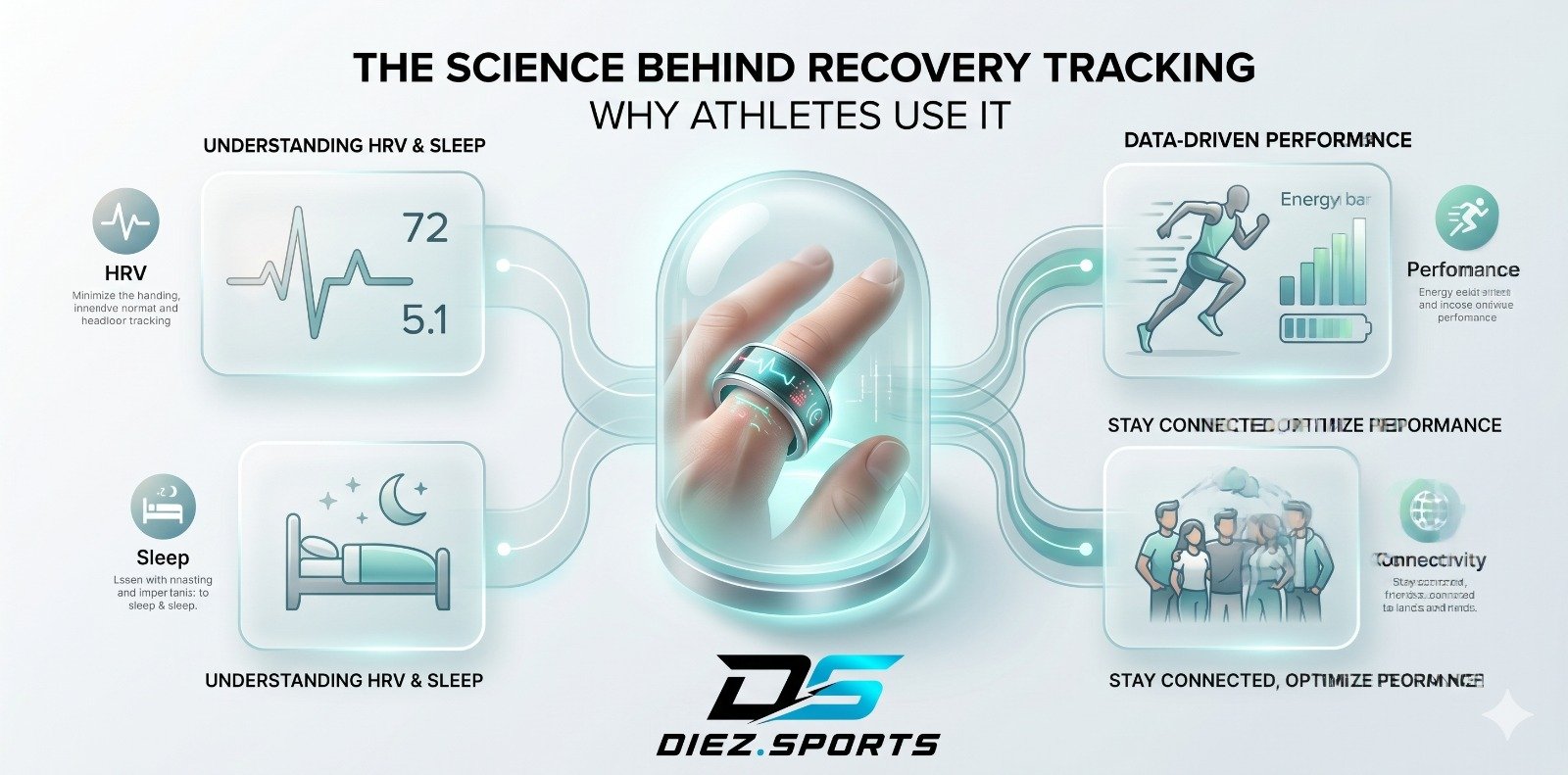
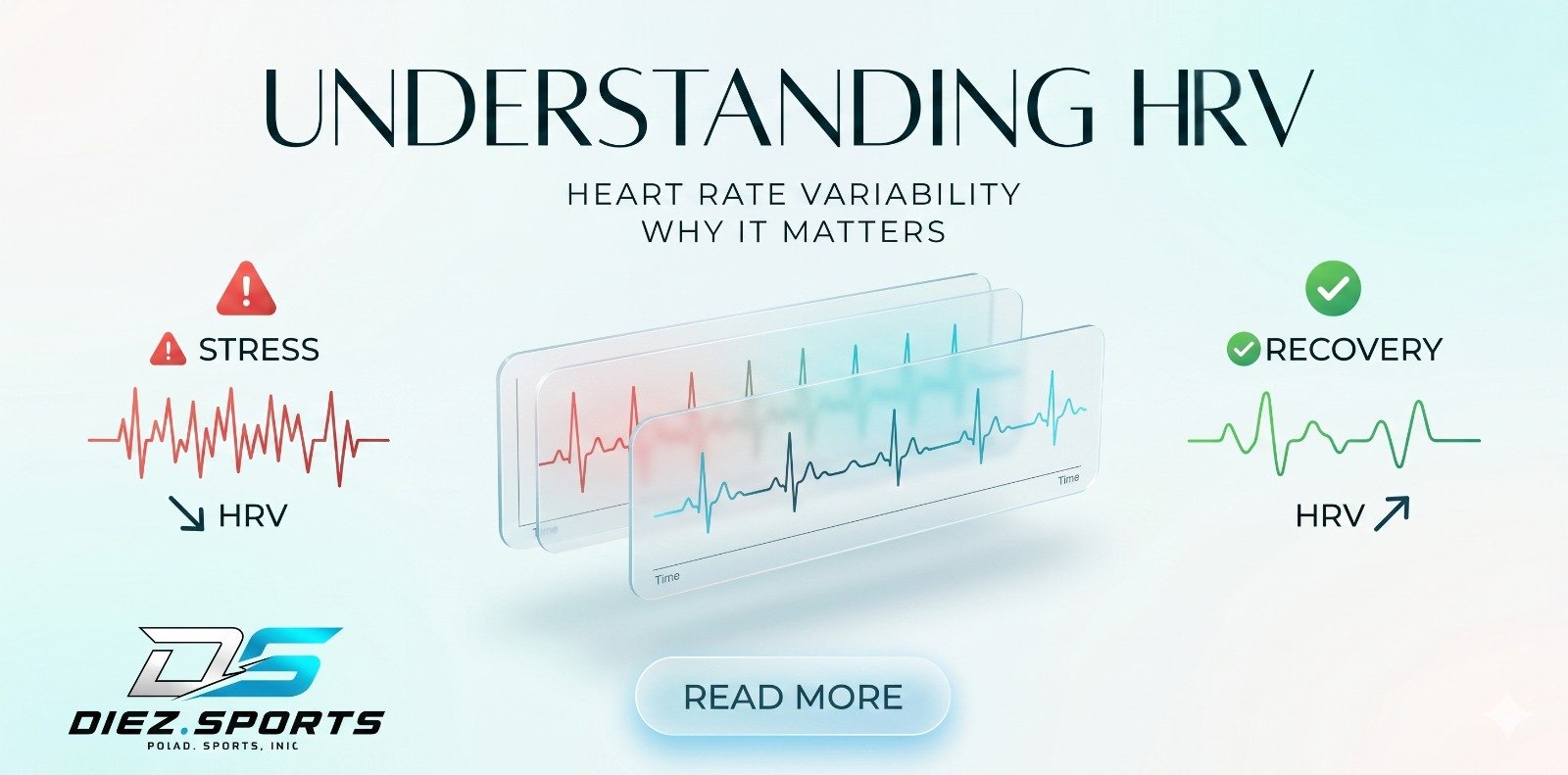
Heart Rate Variability, commonly known as HRV, has become one of the most valuable metrics for stress monitoring.
HRV measures the variation in time between consecutive heartbeats.
A higher HRV is generally associated with better recovery, greater adaptability, and lower physiological stress.
A lower HRV may indicate fatigue, insufficient recovery, illness, or elevated stress levels.
Many modern Smart Rings and Health Tracking Devices use HRV as a key component of stress analysis.
By monitoring HRV trends over time, users gain deeper insight into how their bodies respond to various stressors.
This information can help individuals recognize periods of excessive strain before more noticeable symptoms appear.
How Smart Rings Help Monitor Stress ?
The rise of the Smart Ring has significantly improved stress monitoring capabilities.
Unlike larger wearable devices, a Smart Ring is designed for continuous wear.
Its lightweight and comfortable design encourages users to keep it on throughout the day and night.
This continuous monitoring allows the device to collect more complete health data.
A Smart Fitness Ring functions as a Personal Health Tracker that provides insights into recovery, sleep quality, heart activity, and overall wellness.
Because stress influences all of these areas, Smart Rings are particularly effective for identifying long-term stress patterns.
Many consumers searching for the Best Smart Ring in India are increasingly interested in stress tracking because of its connection to health, recovery, and performance.
Sleep Quality and Stress Levels
Stress and sleep are closely connected.
High stress levels often lead to poor sleep quality, while inadequate sleep can increase stress.
This creates a cycle that can negatively affect overall health and wellness.
A Sleep Monitoring Device helps users understand this relationship.
By tracking sleep patterns consistently, wearables can identify trends that may indicate elevated stress levels.
A Sleep Tracking Device provides valuable information about how stress affects recovery and overall well-being.
Improving sleep habits often becomes one of the most effective ways to reduce stress and support better health.
Recovery Monitoring and Stress Management
Recovery is another important indicator of stress.
When the body experiences excessive physical or mental demands, recovery quality often declines.
A Recovery Monitoring Device analyzes physiological signals associated with recovery readiness.
Changes in recovery patterns may indicate that the body is struggling to adapt to current stress levels.
A Recovery Tracking Wearable helps users identify periods when additional rest or lifestyle adjustments may be beneficial.
For athletes and active individuals, recovery monitoring provides valuable insight into how stress affects performance and overall wellness.
This understanding supports smarter training and healthier lifestyle choices.
Athletes Use Stress Tracking to Improve Performance
Athletes have become some of the biggest adopters of stress-monitoring technology.
Performance depends on much more than training intensity.
Recovery quality, sleep habits, mental focus, and stress management all influence athletic success.
A Smart Ring can function as a Sports Performance Tracker by helping athletes understand how stress affects readiness and recovery.
By monitoring stress-related indicators, athletes can make more informed decisions regarding training intensity and recovery strategies.
This data-driven approach often leads to improved performance and reduced risk of overtraining.
Smart Ring vs Smartwatch for Stress Monitoring
The Smart Ring vs Smartwatch comparison has become increasingly common among consumers interested in wellness tracking.
Both devices offer stress-monitoring capabilities, but they approach health tracking differently.
A smartwatch often combines stress monitoring with communication features, notifications, productivity tools, and smartphone integration.
Consumers searching for the Best Fitness Smart Watch, Health Tracking Smartwatch, Bluetooth Calling Smartwatch, Waterproof Smartwatch, or Best Smart Watches 2026 often value these additional features.
A Smart Ring focuses more heavily on wellness, recovery, sleep tracking, and stress monitoring.
For users whose primary goal is understanding overall health and recovery, a Smart Ring often provides a more focused experience.
Everyday Habits That Stress Monitoring Can Reveal
One of the biggest advantages of stress tracking is increased self-awareness.
Many people are unaware of how daily habits affect their stress levels.
Work schedules, caffeine consumption, poor sleep habits, excessive screen time, inconsistent exercise routines, and lifestyle choices can all influence physiological stress.
A Personal Health Tracker helps users identify these patterns.
Once these trends become visible, individuals can begin making changes that support better wellness.
This increased awareness often leads to healthier habits and improved long-term outcomes.
How Stress Monitoring Supports Mental Wellness
Mental health and physical health are deeply connected.
Chronic stress affects mood, motivation, concentration, and emotional well-being.
By monitoring physiological indicators related to stress, wearable devices help users better understand their overall mental wellness.
This information can encourage healthier coping strategies and greater self-care awareness.
While wearable devices are not medical diagnostic tools, they can provide valuable insights that support proactive wellness management.
Many users find that simply understanding their stress patterns leads to more balanced lifestyle choices.
The Future of Stress Tracking Technology
Stress monitoring technology continues to evolve rapidly.
Advancements in artificial intelligence, biometric sensors, and Health Technology are making wearable devices increasingly sophisticated.
Future wearables will likely provide even deeper insights into stress, recovery, emotional well-being, and overall health.
Personalized recommendations and predictive wellness analysis may become standard features in the years ahead.
As wearable technology continues advancing, stress monitoring will play an increasingly important role in preventive health and wellness management.
Conclusion
Stress is one of the most significant factors affecting health, recovery, performance, and overall well-being.
Unfortunately, many people do not recognize its impact until symptoms become noticeable.
Modern Smart Wearables for Health and Fitness provide valuable tools for understanding how the body responds to stress.
Through heart rate monitoring, HRV analysis, sleep tracking, recovery monitoring, and overall wellness insights, Smart Rings, fitness trackers, and Health Tracking Smartwatch devices help users gain a clearer picture of their health.
By functioning as a Health Monitoring Device, Recovery Monitoring Device, Sleep Monitoring Device, Biometric Tracking Device, and Personal Health Tracker, wearable technology empowers individuals to make smarter decisions and develop healthier habits.
Understanding stress is one of the most important steps toward improving overall wellness, and modern wearables make that process easier than ever before.
Contact Details
Website: Diez Sportz
Phone: +91-7023003060
Email: diezsports.web@gmail.com