


Can a Tiny Smart Ring Really Measure Your Heart Rate Accurately?
One of the most common questions people ask before purchasing a Smart Ring is whether such a small device can accurately monitor heart rate. For years, consumers have trusted fitness bands, chest straps, and smartwatches to provide heart rate information during workouts and throughout the day. Now, with the rise of wearable technology, Smart Rings are becoming a popular alternative for individuals seeking a more comfortable and discreet way to monitor their health.
As Smart Rings continue gaining popularity, many consumers searching for the Best Smart Ring in India want to know whether these devices can truly deliver reliable heart rate data. After all, heart rate monitoring is one of the most important features of any Health Tracking Device. It influences recovery tracking, sleep analysis, fitness monitoring, stress management, and overall wellness insights.
The good news is that modern Smart Rings have become remarkably sophisticated. Thanks to advancements in sensor technology and Health Technology, today’s Smart Fitness Rings are capable of providing highly accurate heart rate measurements for most users.
Understanding how heart rate tracking works and what factors influence accuracy can help users make better decisions when choosing a wearable device.
Why Heart Rate Matters for Health and Fitness ?
Heart rate is one of the most valuable indicators of overall health.
Every heartbeat provides information about how the body is functioning. Changes in heart rate can reflect physical activity, stress levels, recovery status, sleep quality, fitness improvements, and overall wellness.
This is why heart rate monitoring has become a core feature of modern wearable technology.
A reliable Personal Health Tracker helps users understand how their bodies respond to exercise, recovery, sleep, and everyday life. Heart rate data allows individuals to identify trends that would otherwise be difficult to detect.
For fitness enthusiasts, athletes, and health-conscious individuals, understanding heart rate patterns can provide valuable insights that support healthier lifestyle choices.
How Smart Rings Measure Heart Rate ?
Many people assume that a Smart Ring simply guesses heart rate based on movement or activity. In reality, the process is far more sophisticated.
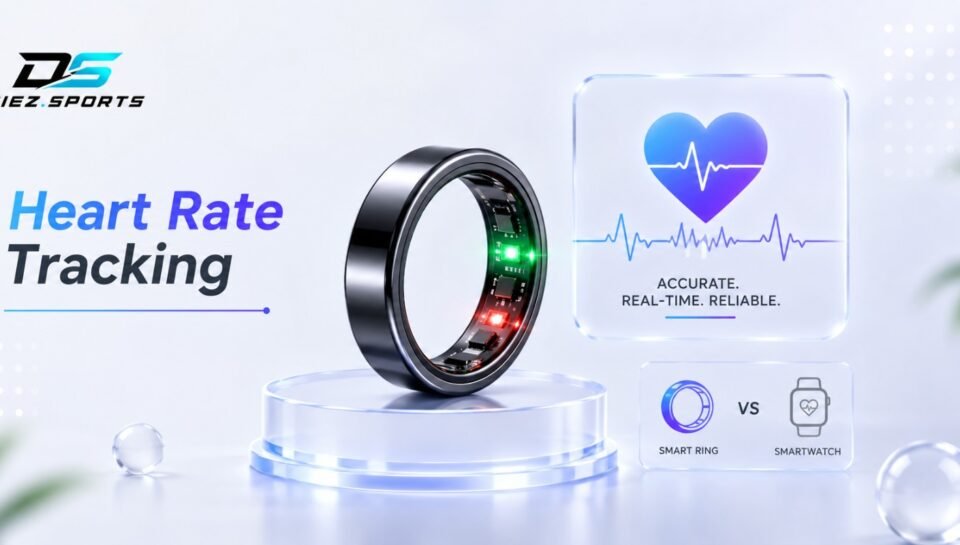
Modern Smart Rings use advanced optical sensors that shine light into the skin and measure changes in blood flow. As blood circulates through the finger, these sensors detect subtle variations that correspond to each heartbeat.
The collected information is then processed using advanced algorithms that calculate heart rate and identify patterns over time.
Because the finger contains a dense network of blood vessels close to the surface of the skin, it provides an excellent location for collecting biometric data.
This advantage has helped establish the Smart Ring as one of the most effective Biometric Tracking Devices available today.
Why Finger-Based Tracking Can Be More Effective
One of the reasons Smart Rings have attracted so much attention is their sensor placement.
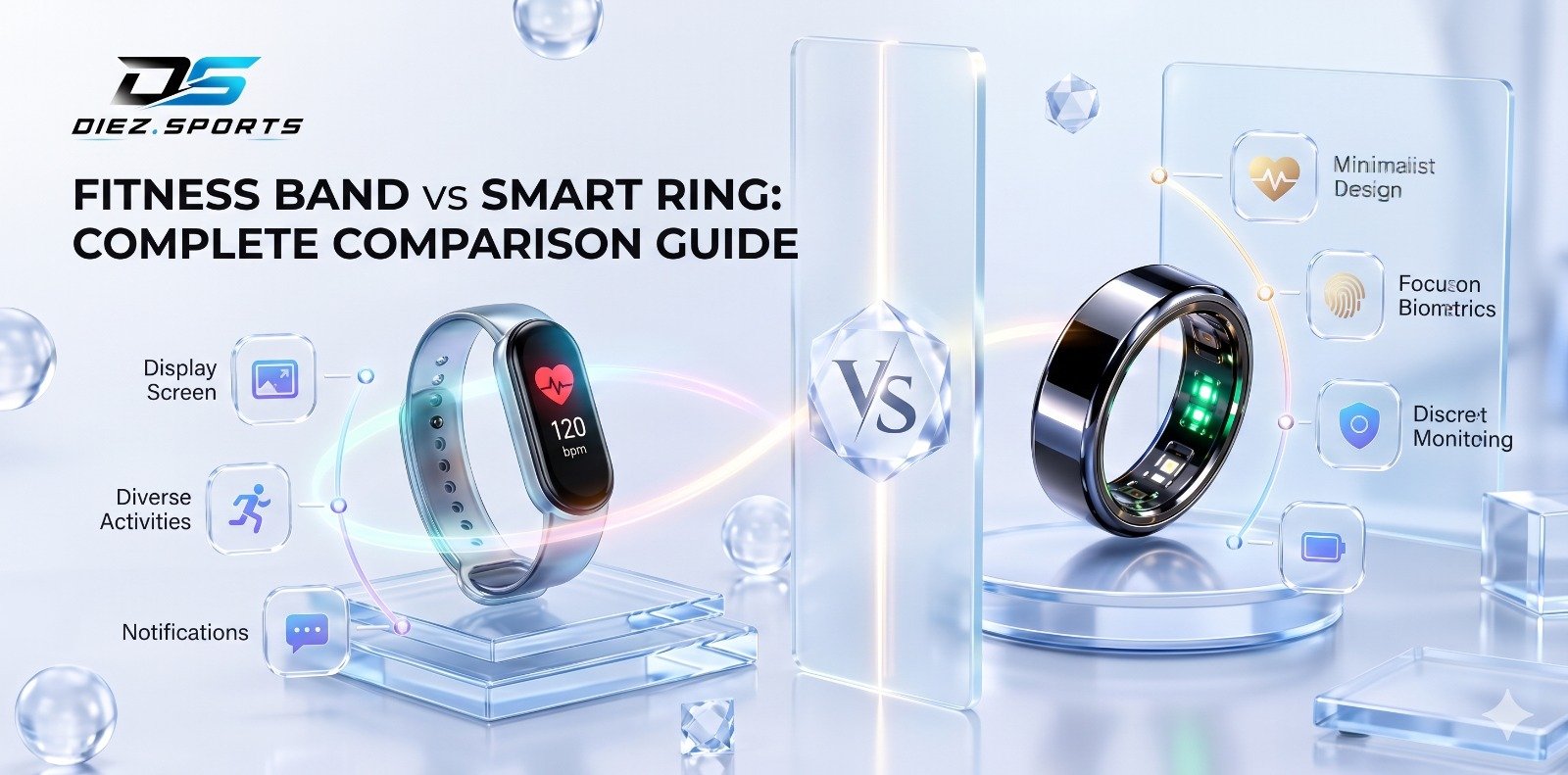
Most fitness bands and smartwatches collect heart rate data from the wrist. While wrist-based monitoring works well in many situations, the wrist can be affected by movement, positioning, and device fit.
A Smart Ring is worn on the finger, where blood flow is often easier for sensors to detect.
Because of this placement, Smart Rings frequently provide highly consistent heart rate readings, particularly during periods of rest and sleep.
The ability to collect stable biometric data is one reason why Smart Rings are becoming increasingly popular as a Health Monitoring Device.
For users interested in long-term wellness tracking, this consistency can be extremely valuable.
Resting Heart Rate: One of the Most Important Metrics
When discussing heart rate accuracy, resting heart rate deserves special attention.
Resting heart rate is often considered one of the best indicators of overall fitness and recovery.
A lower resting heart rate is frequently associated with improved cardiovascular efficiency and better physical conditioning. Conversely, unexpected increases in resting heart rate can sometimes indicate stress, fatigue, illness, or inadequate recovery.
A Smart Ring continuously monitors heart rate throughout the day and night, making it particularly effective at identifying resting heart rate trends.
As a Personal Health Tracker, it provides users with a clearer picture of how lifestyle habits influence overall wellness.
Monitoring resting heart rate over time can help users recognize changes that may require attention.
Heart Rate Tracking During Sleep
One of the strongest advantages of a Smart Ring is its ability to monitor heart rate while sleeping.
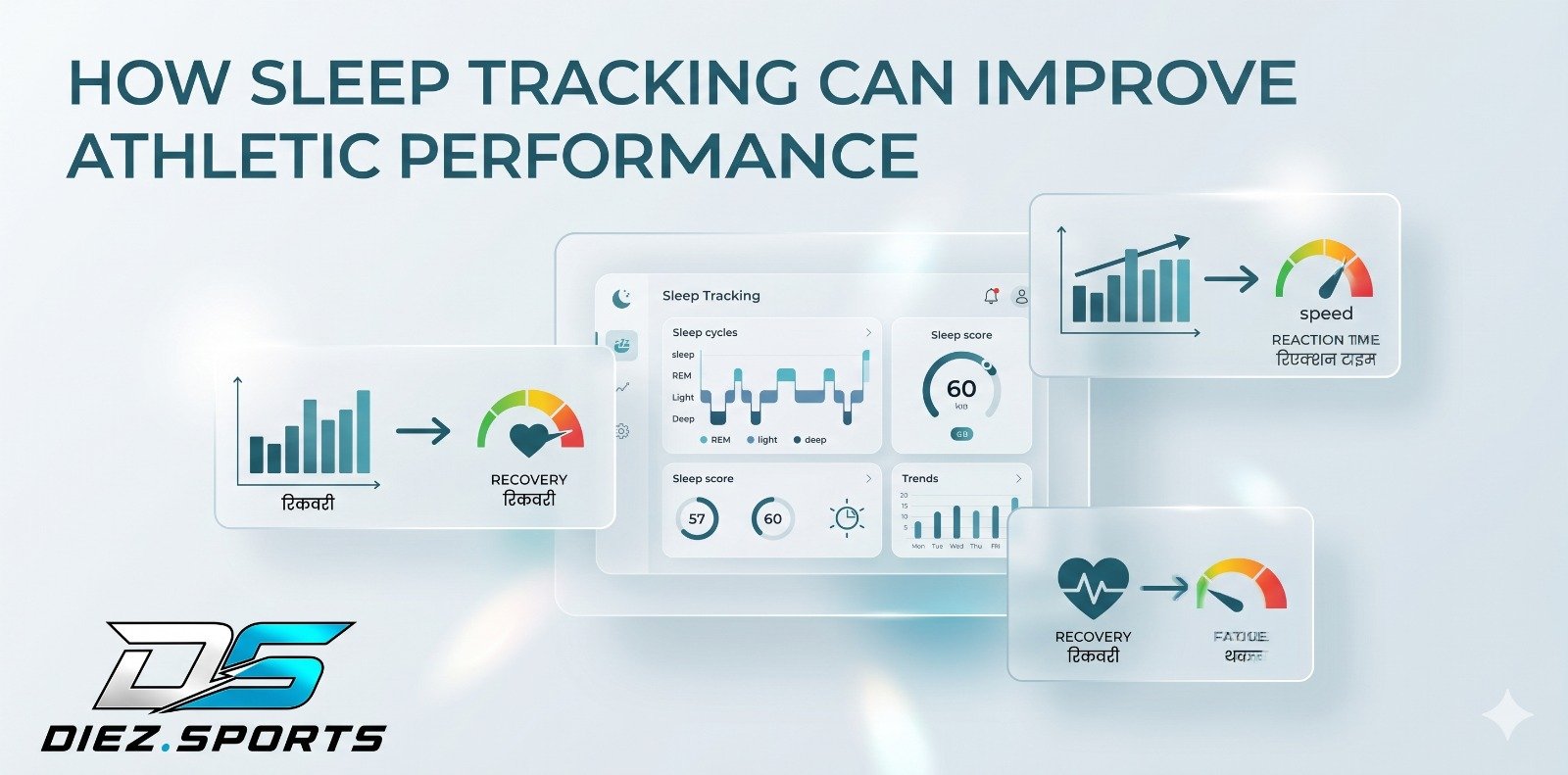
Sleep is a critical period for recovery, and heart rate patterns during sleep can reveal valuable information about overall health.
Because Smart Rings are lightweight and comfortable, users are more likely to wear them consistently throughout the night.
This allows the device to collect uninterrupted heart rate data while functioning as a Sleep Monitoring Device.
The information gathered during sleep contributes to recovery analysis, wellness monitoring, and overall health insights.
Many users discover that heart rate trends during sleep provide some of the most useful information available through wearable technology.
How Heart Rate Supports Recovery Monitoring ?
Recovery has become one of the most important topics in modern fitness and wellness.
Whether someone is an athlete, a gym enthusiast, or simply managing the demands of everyday life, recovery plays a major role in overall performance and well-being.
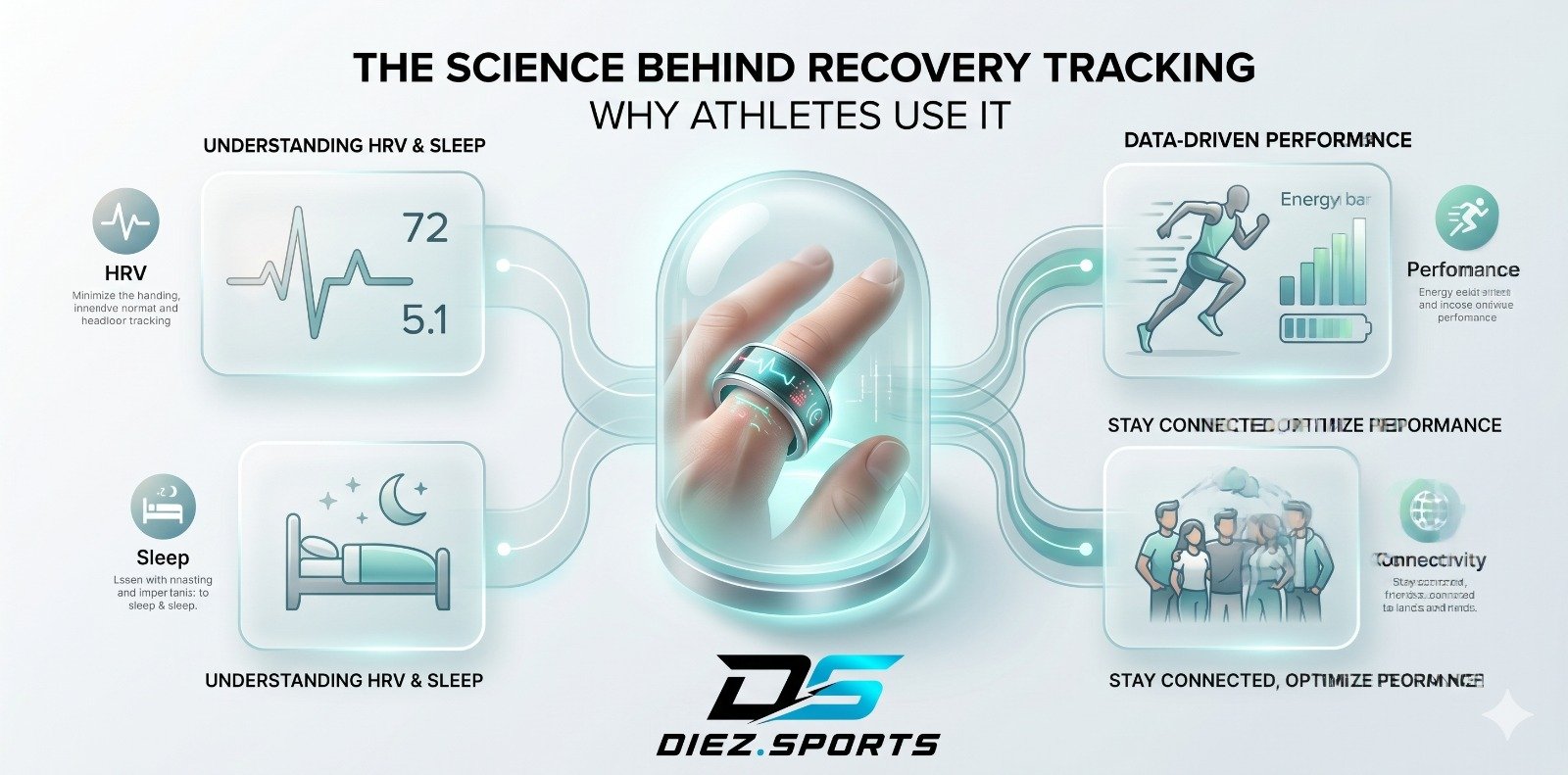
A Smart Ring serves as a Recovery Monitoring Device by analyzing heart rate trends alongside other physiological indicators.
Changes in resting heart rate often reflect how effectively the body is recovering from physical activity, stress, and daily demands.
By monitoring these patterns, a Recovery Tracking Wearable helps users make more informed decisions about exercise intensity, recovery strategies, and overall wellness.
This ability to connect heart rate data with recovery insights is one of the reasons Smart Rings have become so popular.
Factors That Influence Heart Rate Accuracy
Although Smart Rings are highly effective, several factors can influence the accuracy of heart rate measurements.
Proper fit is one of the most important considerations.
A Smart Ring should fit comfortably while maintaining consistent contact with the skin. A ring that is too loose may reduce sensor performance and affect data quality.
Movement can also influence readings. While Smart Rings generally perform well during daily activities, rapid or intense motion may occasionally affect measurements.
Environmental conditions such as temperature and circulation can also play a role.
Despite these factors, modern Smart Rings are designed to minimize inaccuracies and provide reliable long-term health insights.
Smart Ring vs Smartwatch Heart Rate Accuracy
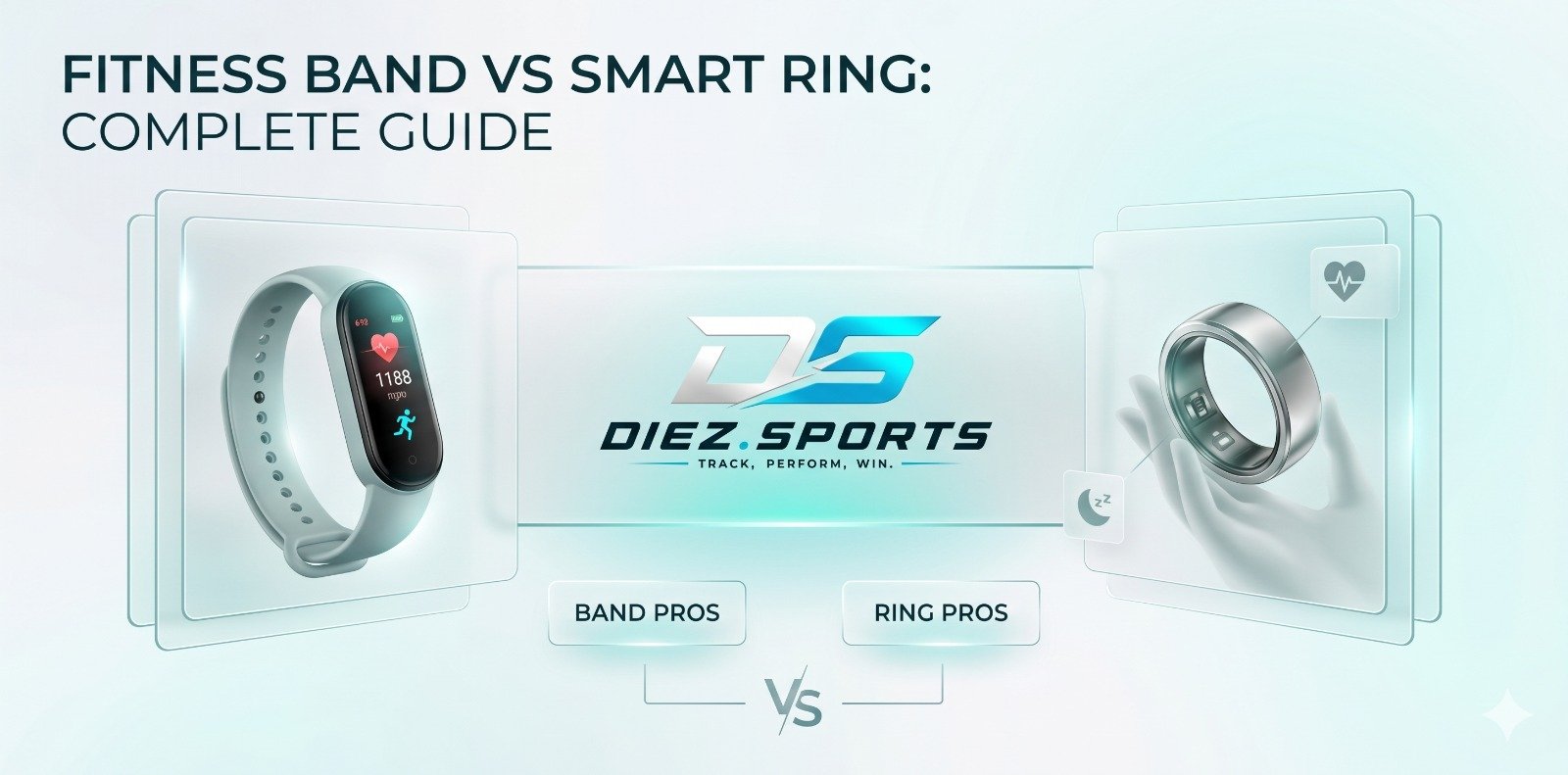
One of the most common comparisons in wearable technology is Smart Ring vs Smartwatch.
Both devices monitor heart rate using similar optical sensor technology, but they differ in placement and overall design.
A smartwatch typically collects heart rate data from the wrist. Many consumers searching for the Best Fitness Smart Watch, Health Tracking Smartwatch, or Best Smart Watches 2026 appreciate the convenience of wrist-based monitoring.
A Smart Ring collects data from the finger, which often provides a more stable location for biometric measurements.
For resting heart rate monitoring, sleep tracking, and recovery analysis, Smart Rings frequently demonstrate excellent consistency.
Smartwatches remain highly effective for workout-related tracking and real-time performance monitoring.
The best option depends on individual goals and preferences.
Why Athletes Care About Heart Rate Accuracy ?
Athletes rely heavily on heart rate data to guide training decisions.
Heart rate monitoring helps determine workout intensity, recovery readiness, and overall performance trends.
A Smart Ring functions as a Sports Performance Tracker by continuously monitoring heart rate throughout the day and night.
This information allows athletes to understand how their bodies respond to training and recovery.
Instead of relying solely on workout metrics, athletes can evaluate broader wellness trends that influence performance.
This comprehensive approach often leads to smarter training decisions and improved long-term results.
Heart Rate Trends Are More Important Than Individual Readings
Many first-time users become overly focused on individual heart rate readings.
In reality, long-term trends are often far more valuable.
A single reading provides limited information, but patterns collected over weeks and months can reveal meaningful insights.
A Smart Ring excels at identifying these trends because it continuously gathers data throughout the day.
As a Health Tracking Device, it helps users understand how lifestyle habits affect overall wellness.
By focusing on trends rather than isolated measurements, users can gain a deeper understanding of their health and make more informed decisions.
How Heart Rate Tracking Supports Fitness Goals ?
Heart rate monitoring plays an important role in fitness success.
It helps users understand exercise intensity, recovery status, and overall physical readiness.
A Smart Ring for Fitness Tracking provides heart rate data that supports better decision-making.
Users can identify periods of high stress, insufficient recovery, or improved fitness adaptation.
This information allows them to adjust exercise routines and recovery strategies more effectively.
For individuals pursuing long-term fitness goals, heart rate tracking can become one of the most valuable tools available.
The Future of Heart Rate Monitoring in Smart Rings
The future of wearable technology continues to look promising.
Advancements in sensor technology, artificial intelligence, and Health Technology are making Smart Rings increasingly sophisticated.
Future devices will likely provide even greater accuracy and deeper health insights.
As Smart Rings evolve, heart rate monitoring will become even more valuable as part of a comprehensive approach to wellness tracking.
Consumers can expect smarter algorithms, enhanced biometric monitoring, and improved personalization in the years ahead.
Are Smart Rings Accurate Enough for Everyday Use?
For most users, the answer is absolutely yes.
Modern Smart Rings provide highly reliable heart rate data that supports wellness monitoring, recovery analysis, sleep tracking, and fitness tracking.
While no wearable device is perfect, today’s Smart Rings offer accuracy levels that are more than sufficient for everyday health management.
As a Health Monitoring Device, Smart Ring technology continues to improve and deliver increasingly meaningful insights.
For individuals seeking a convenient and effective way to monitor heart rate and overall wellness, a Smart Ring represents one of the most advanced solutions currently available.
Conclusion
Heart rate tracking is one of the most important features offered by modern wearable technology, and Smart Rings have proven to be remarkably effective at collecting this information.
By using advanced sensors and finger-based monitoring, Smart Rings provide highly consistent heart rate data that supports sleep analysis, recovery monitoring, wellness tracking, and fitness improvement.
Whether you are an athlete, fitness enthusiast, or simply someone interested in understanding your health better, a Smart Ring offers a powerful combination of comfort, convenience, and advanced biometric monitoring.
As Health Technology continues to evolve, Smart Rings are becoming an increasingly valuable tool for individuals seeking a smarter approach to personal wellness.
Contact Details
Website: Diez Sportz
Phone: +91-7023003060
Email: diezsports.web@gmail.com