


As Wearable Technology Advances, Accuracy Has Become the Most Important Question
The wearable technology industry has experienced tremendous growth over the past few years. From basic step counters to advanced devices capable of monitoring sleep, recovery, heart rate, stress levels, and overall wellness, modern wearables have become powerful tools for personal health management. Today, consumers have more choices than ever before, with Smart Rings and fitness bands emerging as two of the most popular options.
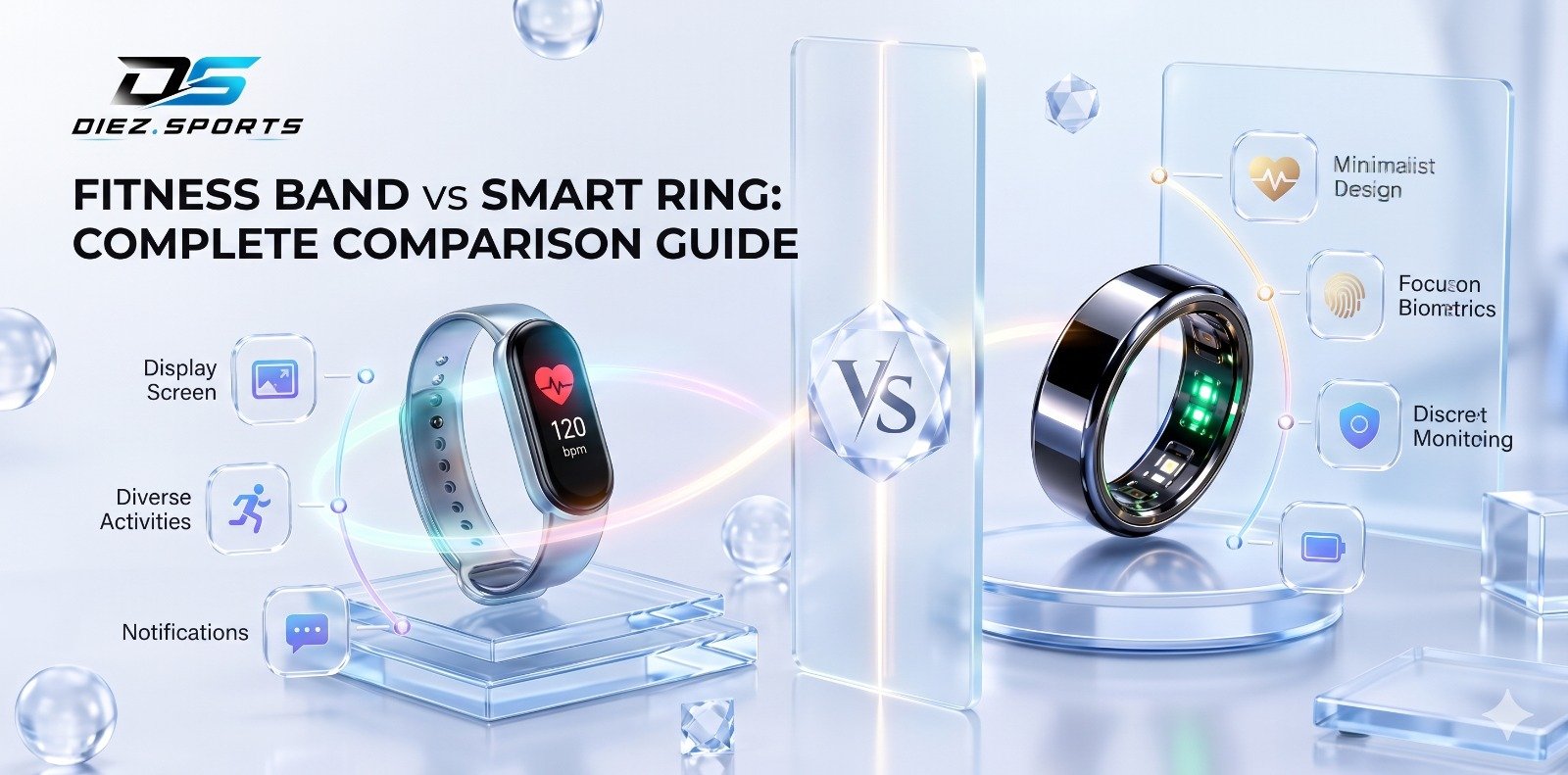
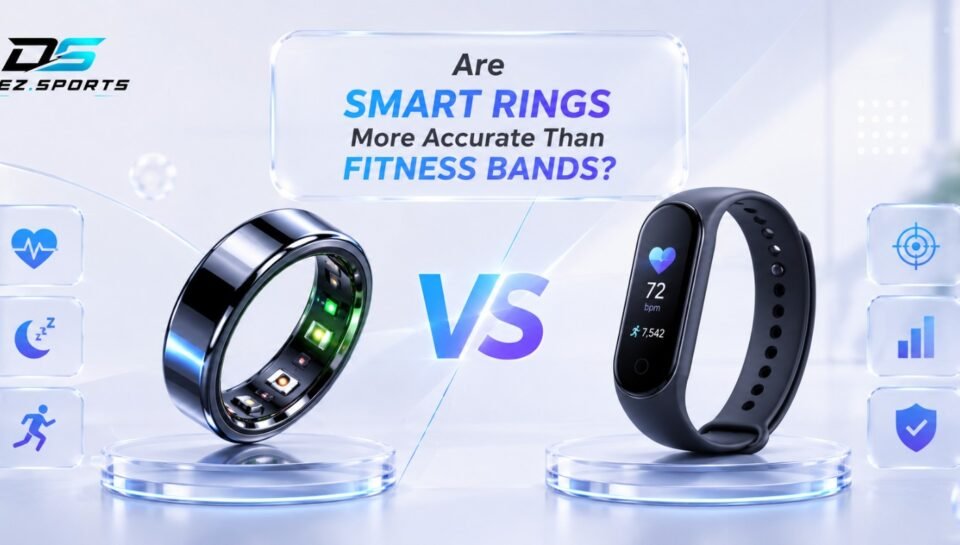
While both devices are designed to function as a Fitness Tracking Device and Health Tracking Device, many buyers ask the same question before making a purchase: Are Smart Rings more accurate than fitness bands?
This question is important because the value of any wearable depends heavily on the accuracy of the information it provides. Whether you are tracking workouts, monitoring recovery, improving sleep quality, or simply trying to maintain a healthier lifestyle, reliable data helps you make better decisions.
As Smart Fitness Rings continue gaining popularity and fitness bands remain widely used around the world, understanding how these devices collect data and where they differ can help users choose the right wearable for their needs.
Understanding How Smart Rings and Fitness Bands Collect Data
Before comparing accuracy, it is important to understand how both devices work.
A Smart Ring is a compact wearable device worn on the finger. Despite its small size, it contains advanced sensors capable of measuring heart rate, movement, sleep quality, body temperature trends, recovery status, and other biometric indicators.
A fitness band is worn on the wrist and uses similar technologies to track activity levels, workouts, heart rate, and sleep. Many fitness bands also function as a Daily Activity Tracker and Health Monitoring Device, helping users stay informed about their physical activity and wellness.
Although both devices rely on sensors and algorithms to generate insights, their placement on the body plays a major role in determining accuracy.
The location of these sensors influences the quality of the data being collected, which is why many experts believe Smart Rings have certain advantages in specific tracking categories.
Why Sensor Placement Matters ?
One of the biggest reasons Smart Rings are receiving attention from fitness enthusiasts and health-conscious consumers is their sensor placement.
The finger contains a dense network of blood vessels located close to the skin. This allows optical sensors inside a Smart Ring to collect highly detailed blood flow information.
Because of this proximity, many Smart Rings can gather more consistent biometric data than wrist-based devices in certain situations.
Fitness bands collect information from the wrist, which is also an effective location for monitoring health metrics. However, wrist movement, loose fit, and variations in positioning can sometimes affect data quality.
This does not mean fitness bands are inaccurate, but it does explain why Smart Rings are increasingly being recognized as powerful Biometric Tracking Devices capable of delivering highly reliable wellness insights.
Heart Rate Monitoring Accuracy
Heart rate monitoring is one of the most important functions of any wearable device.
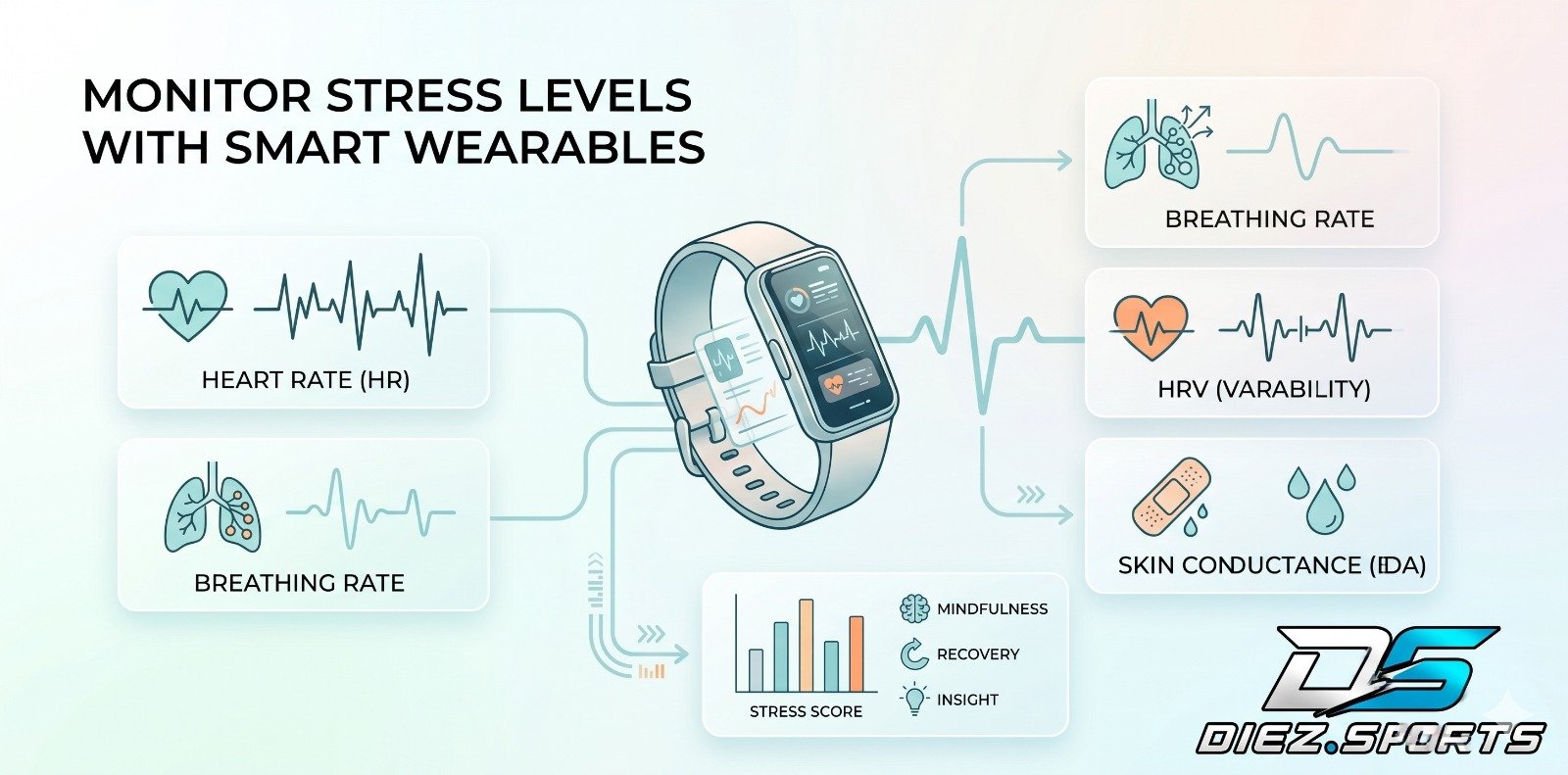
A Smart Ring continuously measures blood flow through optical sensors positioned against the finger. Because the finger offers excellent access to blood circulation, many Smart Rings provide highly accurate heart rate readings throughout the day and night.
This is particularly valuable when monitoring resting heart rate, which serves as an important indicator of overall fitness and recovery.
A fitness band also tracks heart rate using optical sensors. During normal daily activities, most fitness bands perform very well. However, rapid wrist movements during exercise can occasionally influence readings.
For users focused on long-term wellness tracking, recovery monitoring, and resting heart rate trends, Smart Rings often demonstrate slightly better consistency.
This advantage has helped establish the Smart Ring as a trusted Personal Health Tracker for individuals who prioritize health data accuracy.
Sleep Tracking Accuracy Comparison
Sleep monitoring has become one of the most sought-after features in wearable technology.
Poor sleep affects energy levels, athletic performance, mental focus, recovery, and overall health. As a result, consumers are increasingly searching for reliable Sleep Monitoring Devices capable of providing actionable insights.
Smart Rings excel in this category.
Because they are lightweight and comfortable, users tend to wear them consistently throughout the night. Continuous wear allows the device to gather complete sleep data without interruptions.
A quality Sleep Tracking Device monitors sleep duration, sleep efficiency, nighttime heart rate, and recovery-related indicators. By analyzing these metrics, Smart Rings provide detailed insights into sleep quality and overall recovery.
Fitness bands also offer sleep tracking capabilities. However, some users remove wrist-worn devices before bed because of comfort concerns or battery limitations.
This inconsistency can reduce the quality of sleep data collected over time.
For individuals focused on improving sleep habits and recovery, Smart Rings often provide a superior experience.
Recovery Monitoring: Where Smart Rings Shine
Recovery has become one of the most important aspects of modern fitness and athletic performance.
Many people spend significant time planning workouts but pay little attention to recovery. Unfortunately, poor recovery can limit progress and increase the risk of fatigue or injury.
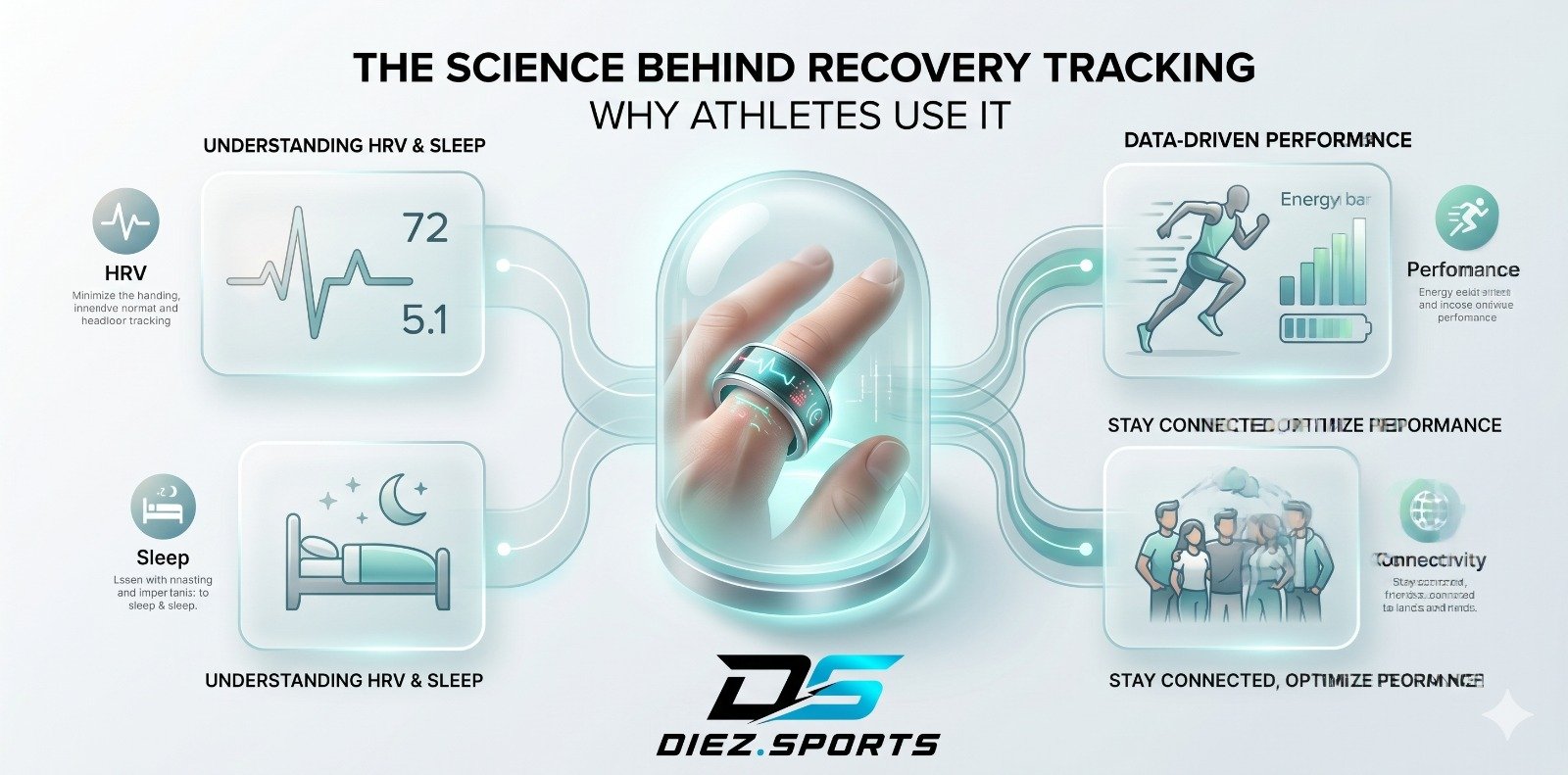
A Smart Ring functions as a highly effective Recovery Monitoring Device by continuously analyzing multiple health indicators.
Changes in resting heart rate, sleep quality, activity levels, and other biometric signals provide valuable insights into how well the body is recovering from physical and mental stress.
This information helps users make smarter decisions regarding training intensity, exercise frequency, and recovery strategies.
While fitness bands can also track recovery-related metrics, Smart Rings are increasingly recognized as one of the most effective Recovery Tracking Wearable options available today.
Their ability to monitor health continuously and comfortably gives them an advantage in this area.
Activity Tracking and Daily Movement Monitoring
When it comes to tracking movement and activity levels, both Smart Rings and fitness bands perform well.
As an Activity Monitoring Device, a Smart Ring can track movement patterns, daily activity, calorie expenditure, and step counts.
Similarly, fitness bands have long served as a popular Daily Activity Tracker for users seeking to improve physical activity levels.
In terms of basic activity tracking, the differences between the two devices are relatively small.
Both provide useful insights into movement patterns and daily exercise habits.
For most users, either device can effectively support an active lifestyle and encourage healthier behavior.
Fitness Tracking During Workouts
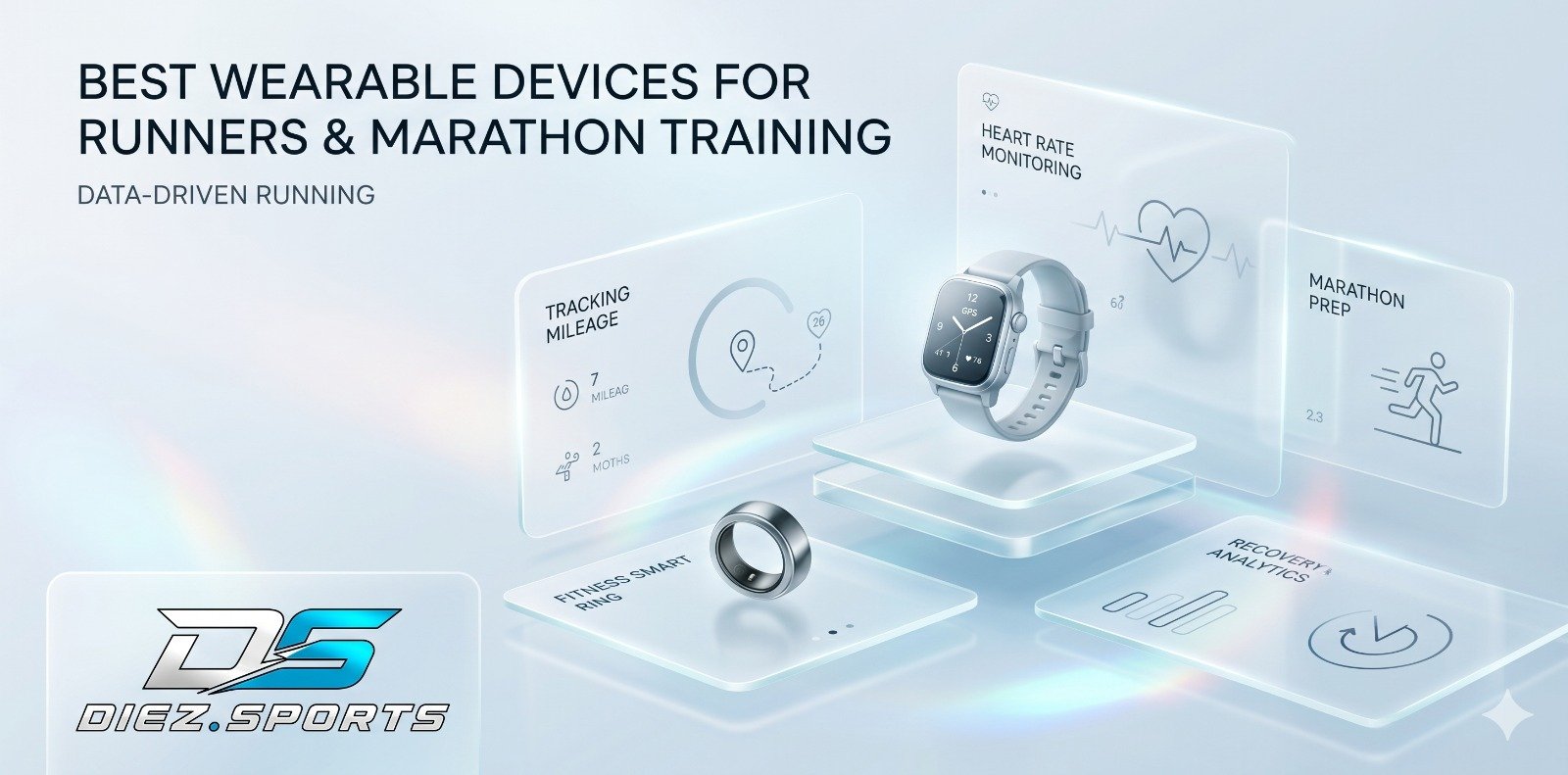
Workout tracking is one area where fitness bands often maintain an advantage.
Many fitness bands are specifically designed for exercise and sports activities. They provide real-time workout metrics that users can monitor during training sessions.
Distance covered, exercise duration, pace, calorie expenditure, and workout summaries are typically displayed directly on the device.
A Smart Ring for Fitness Tracking focuses more heavily on wellness, recovery, and long-term health trends rather than delivering live workout feedback.
While Smart Rings can track activity and exercise, they are generally not intended to replace dedicated sports watches or fitness-focused wearables during training sessions.
For users whose primary goal is monitoring workout performance in real time, fitness bands may offer greater convenience.
However, for users seeking deeper recovery insights and wellness monitoring, Smart Rings often provide greater overall value.
Comfort and Continuous Wear
Accuracy depends heavily on consistent usage.
A wearable device can only provide meaningful health insights when it is worn regularly.
One of the biggest advantages of a Smart Ring is comfort. Its lightweight design makes it easy to wear throughout the day and night.
Many users report forgetting they are wearing the device after a short adjustment period.
Because Smart Rings are comfortable enough for continuous wear, they often collect more complete data than fitness bands.
Fitness bands are generally comfortable as well, but some users remove them during sleep, work, or relaxation.
This interruption can affect the quality of long-term health monitoring.
For users seeking a seamless Health Monitoring Device, Smart Rings offer a highly attractive solution.
Smart Ring vs Fitness Band: Which Is Better for Athletes?
Athletes require accurate data to optimize performance and recovery.
Fitness bands are useful because they provide workout-specific information during exercise sessions. Many athletes appreciate having access to real-time metrics while training.
However, performance improvements do not occur during workouts alone. Recovery plays a critical role in athletic development.
A Smart Ring serves as a powerful Sports Performance Tracker by helping athletes understand recovery readiness, sleep quality, and overall wellness.
These insights enable more effective training decisions and help reduce the risk of overtraining.
Many athletes now use Smart Rings alongside other wearables because of their exceptional recovery monitoring capabilities.
Which Device Provides Better Long-Term Health Insights?
For long-term wellness tracking, Smart Rings often have a distinct advantage.
Because they focus heavily on sleep, recovery, heart rate trends, and wellness monitoring, they provide a broader understanding of overall health.
A Smart Ring acts as a Personal Health Tracker that continuously gathers information about how lifestyle habits affect physical well-being.
Over time, these insights help users identify patterns and make healthier decisions.
Fitness bands remain valuable Fitness Tracking Devices, but many are designed primarily around exercise and activity tracking.
For users interested in preventive wellness and long-term health monitoring, Smart Rings often provide more meaningful information.
Smart Ring vs Smartwatch vs Fitness Band
Consumers frequently compare all three categories before making a purchase.
The Smart Ring vs Smartwatch debate typically focuses on wellness versus functionality.
Smartwatches provide extensive features such as notifications, productivity tools, communication capabilities, and workout tracking. Many consumers searching for the Best Fitness Smart Watch or Best Smart Watches 2026 prioritize these features.
Fitness bands focus primarily on exercise and activity monitoring.
Smart Rings emphasize recovery, sleep quality, health tracking, and biometric monitoring.
Each category serves a different purpose, making it important for buyers to choose the device that aligns with their personal goals.
Final Verdict: Are Smart Rings More Accurate Than Fitness Bands?
The answer depends on what you are measuring.
For sleep tracking, recovery monitoring, resting heart rate analysis, and long-term wellness monitoring, Smart Rings often demonstrate greater consistency and accuracy.
Their sensor placement, continuous wearability, and wellness-focused design make them highly effective Health Tracking Devices.
For workout-specific tracking and real-time exercise monitoring, fitness bands continue to perform exceptionally well.
Ultimately, both devices offer valuable benefits, but Smart Rings are increasingly becoming the preferred option for users who prioritize recovery, wellness, and long-term health insights.
Conclusion
The rise of the Smart Ring reflects a growing shift toward more sophisticated and meaningful health monitoring.
While fitness bands remain effective Fitness Tracking Devices, Smart Rings provide exceptional accuracy in areas such as sleep tracking, recovery monitoring, heart rate analysis, and overall wellness tracking.
As Wearable Technology continues to evolve, Smart Rings are establishing themselves as one of the most advanced solutions for individuals seeking a Smart Wearable for Health and Fitness.
Whether your goal is improving recovery, optimizing sleep, enhancing fitness performance, or gaining deeper health insights, a Smart Ring offers a powerful combination of convenience, comfort, and advanced biometric monitoring.
Contact Details
Website: Diez Sportz
Phone: +91-7023003060
Email: diezsports.web@gmail.com