


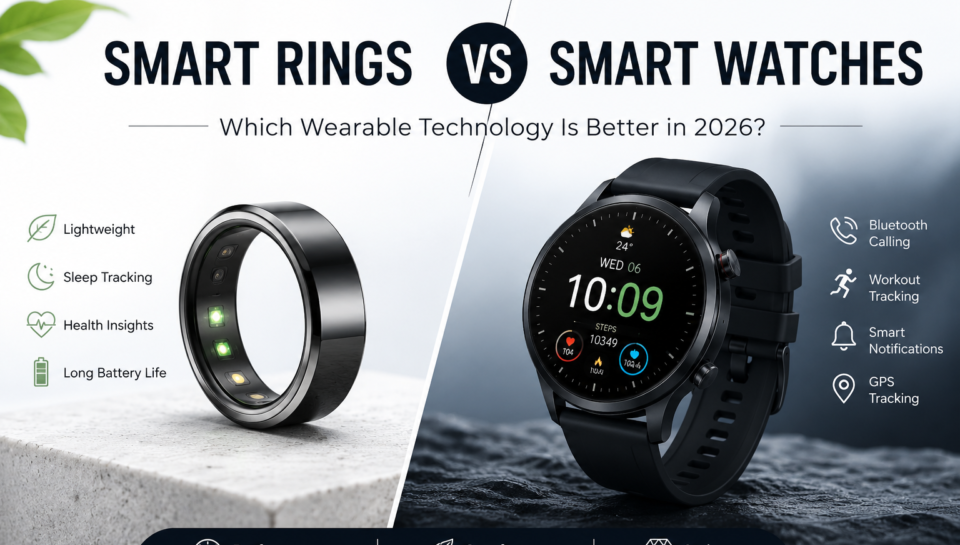
Wearable technology has completely transformed the modern lifestyle. From tracking health and fitness to staying connected throughout the day, smart wearable devices are becoming essential for people of all age groups. In 2026, two wearable gadgets are dominating the technology market more than ever before — Smart Watches and Smart Rings. Both devices are designed to improve convenience, monitor health, and help users stay active, but many people still wonder which wearable technology is actually better for everyday use.
The growing popularity of smart wearables has created a huge discussion around smart rings vs smart watches. Some users prefer the powerful features and larger display of smart watches, while others love the lightweight comfort and minimal design of smart rings. Choosing the right wearable device depends on lifestyle, comfort, fitness goals, and personal preferences.
At Diez Sports, we believe wearable technology should combine innovation, comfort, performance, and style. Whether you prefer a smart watch or a smart ring, understanding the differences between these devices can help you make the perfect choice for your daily routine.
The Growing Demand for Smart Wearable Technology
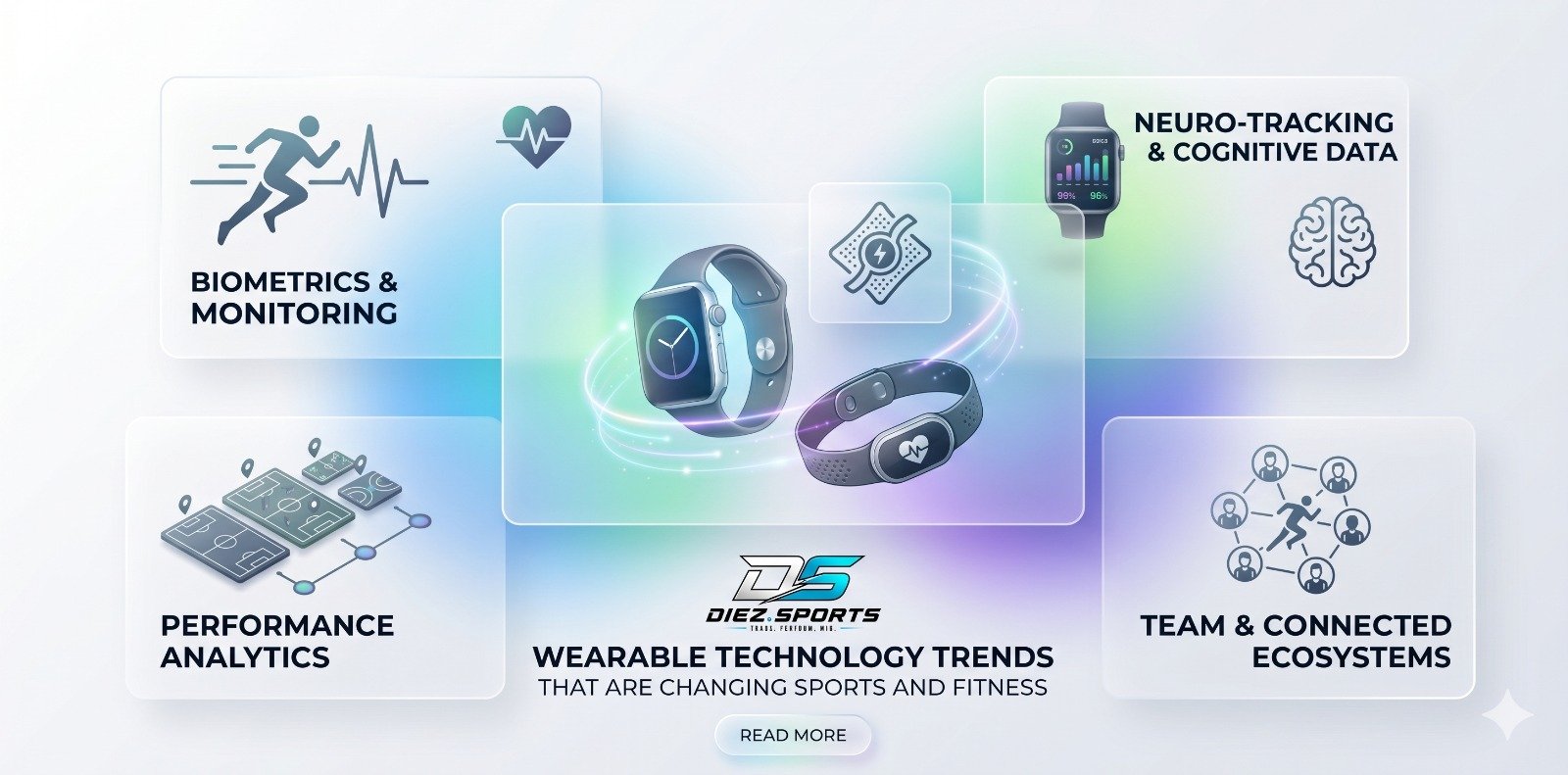
The wearable technology industry has experienced massive growth over the last few years. More people are becoming health-conscious and technology-driven, leading to increasing demand for smart wearable devices that offer convenience and advanced tracking features. Smart watches and smart rings are no longer considered luxury gadgets. They are now practical everyday devices used for fitness tracking, health monitoring, communication, productivity, and lifestyle management.
Modern users want wearable devices that help them stay connected without constantly using smartphones. They also want technology that can track workouts, monitor sleep, measure heart rate, and support healthier living. This growing demand has pushed wearable brands to develop more advanced and stylish products that fit comfortably into everyday life.
The evolution of wearable technology has also made smart gadgets more affordable and accessible. Features that were once available only in premium devices are now becoming standard in budget-friendly smart wearables. This has helped smart watches and smart rings become some of the fastest-growing categories in consumer technology.
Understanding Smart Rings
Smart rings are compact wearable devices designed to provide advanced health tracking and wellness monitoring in a lightweight and minimal form factor. Unlike smart watches, smart rings are worn on the finger, making them extremely comfortable for continuous daily use.
One of the biggest reasons why smart rings are becoming popular in 2026 is their simplicity and convenience. Many users prefer smart rings because they are lightweight, stylish, and less distracting compared to larger wearable devices. Smart rings focus mainly on health tracking and wellness features while maintaining a sleek and modern appearance.
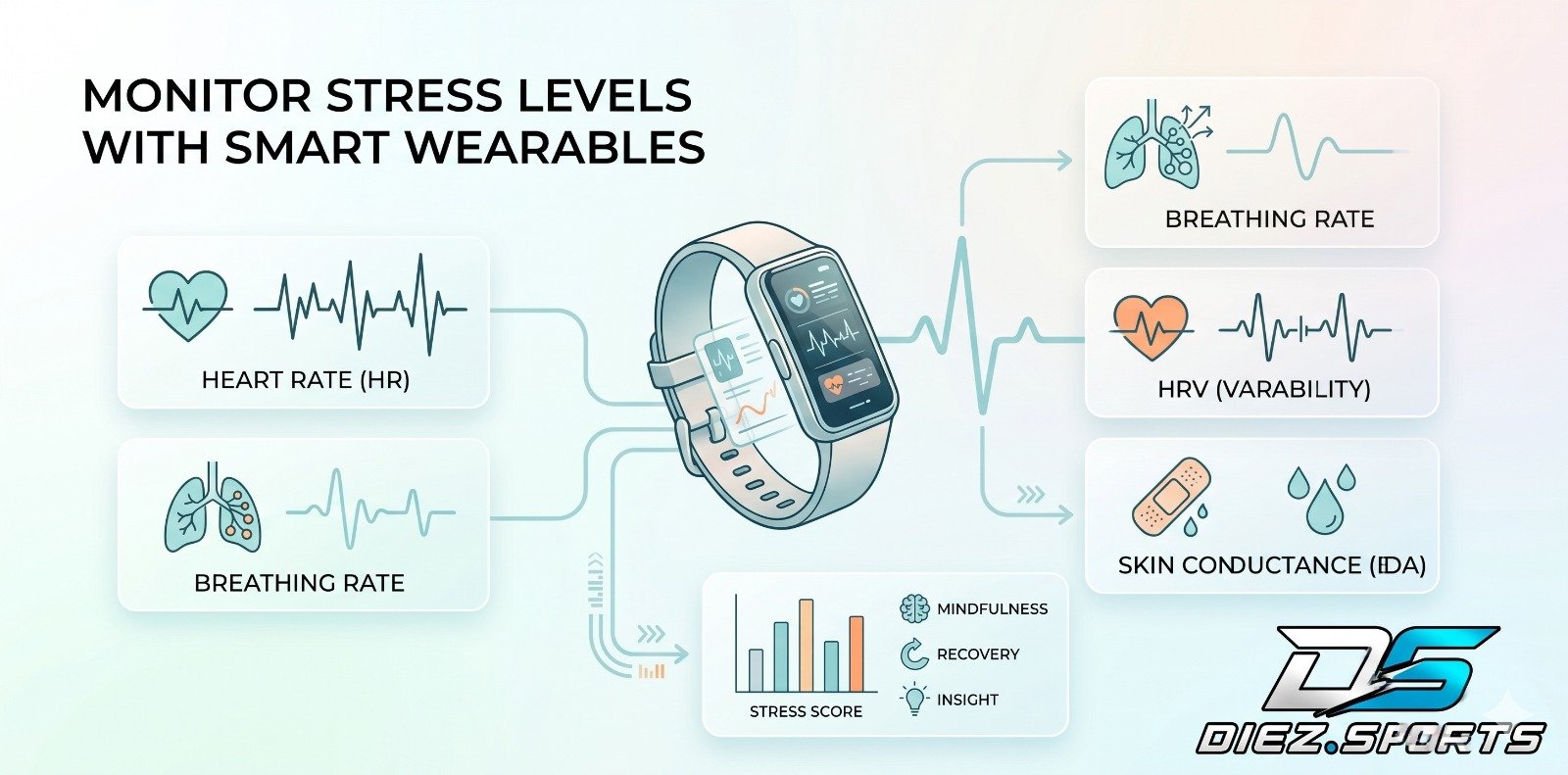
Modern smart rings are capable of monitoring heart rate, sleep quality, activity levels, stress management, calories burned, and blood oxygen levels. Some advanced models also support gesture controls and smart notifications. Their compact design allows users to wear them comfortably throughout the day and night without interruption.
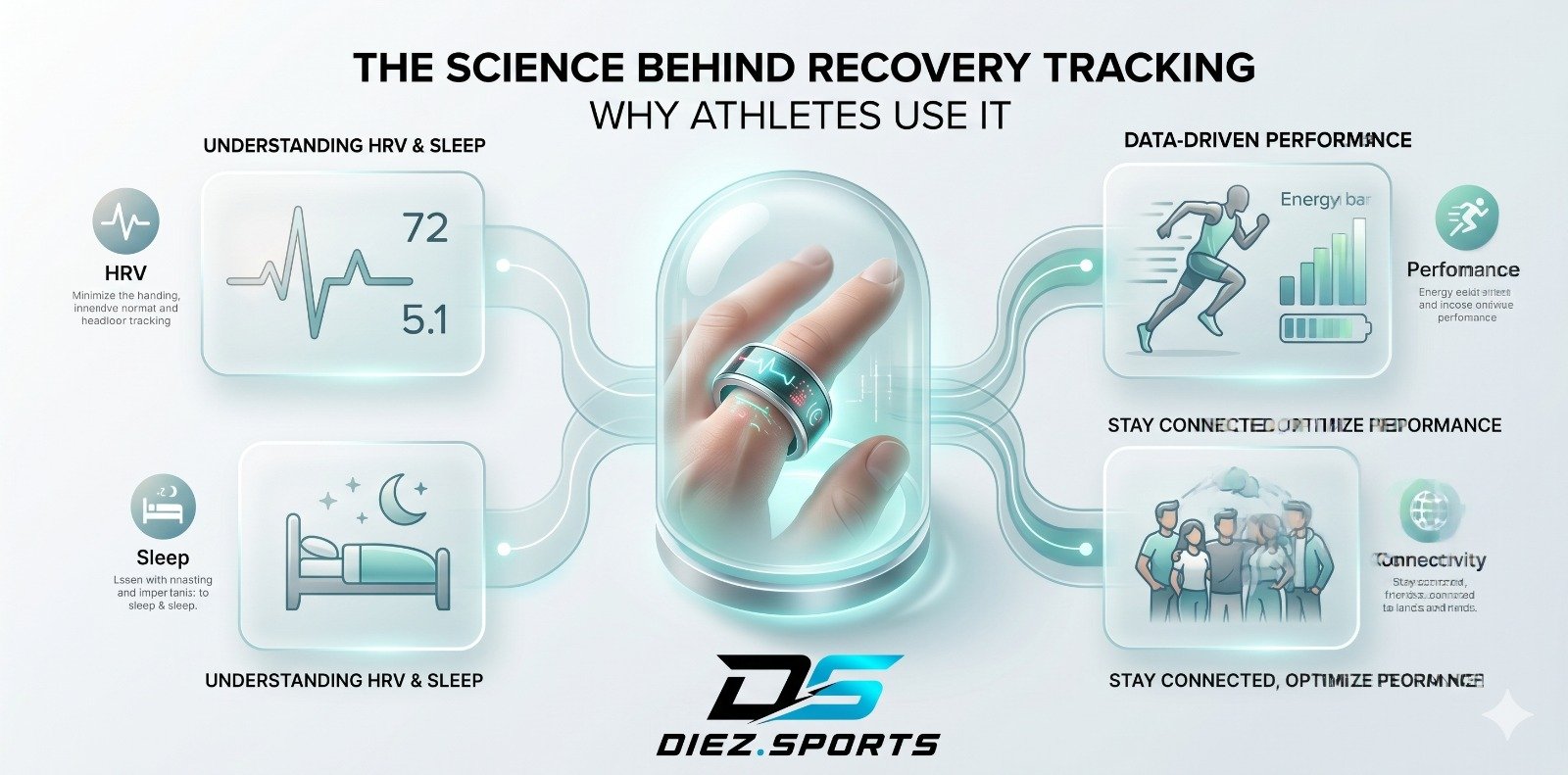
Another reason why smart rings are gaining attention is their ability to provide accurate sleep monitoring. Since rings maintain closer contact with the skin, they can collect highly detailed sleep data and wellness insights. This makes them especially attractive for users focused on recovery, health optimization, and wellness tracking.
Understanding Smart Watches
Smart watches are multifunctional wearable devices that combine fitness tracking, communication tools, productivity features, and health monitoring into one powerful gadget. Smart watches are worn on the wrist and offer a much larger display compared to smart rings, allowing users to interact directly with apps, notifications, and smart features.
Over the years, smart watches have evolved far beyond basic notification devices. In 2026, smart watches now offer advanced features such as Bluetooth calling, GPS navigation, workout tracking, voice assistants, music controls, sleep monitoring, stress tracking, and real-time health analysis.
Smart watches are especially popular among fitness enthusiasts, office professionals, students, travelers, and athletes because they provide a complete smart wearable experience. Users can receive calls, reply to messages, monitor workouts, and access productivity tools directly from their wrist.
The combination of style and technology has also helped smart watches become modern fashion accessories. Their customizable straps, interactive watch faces, and premium design options make them attractive for both casual and professional use.
Comfort and Everyday Wearability
Comfort is one of the most important factors when choosing wearable technology. Smart rings have a major advantage when it comes to lightweight comfort. Their small size and minimal structure make them almost unnoticeable during everyday use. Many users appreciate the simplicity of smart rings because they do not feel bulky or distracting.
Smart rings are especially comfortable during sleep, which is why they are becoming increasingly popular for overnight health tracking and recovery monitoring. Users who dislike wearing larger devices while sleeping often prefer smart rings for continuous wellness tracking.
Smart watches, while highly functional, are naturally larger because they include displays, sensors, batteries, and interactive features. Some users may find them slightly heavier during workouts or sleep. However, modern smart watches are becoming slimmer, lighter, and more ergonomic with improved comfort-focused designs.
For users who prefer minimal wearable technology, smart rings provide an elegant and lightweight solution. For users who enjoy interactive technology and multifunctional features, smart watches remain highly practical and stylish.
Health and Fitness Tracking Comparison
Health tracking is one of the biggest reasons why people invest in wearable technology. Both smart rings and smart watches provide advanced monitoring features, but they focus on different user experiences.
Smart rings are highly focused on wellness and recovery tracking. They excel in sleep analysis, heart rate monitoring, stress management, and continuous health insights. Their lightweight structure makes them ideal for uninterrupted daily and nightly tracking.
Smart watches, on the other hand, offer more advanced fitness tracking capabilities. They support multiple sports modes, workout monitoring, GPS tracking, calorie tracking, and exercise-specific analytics. Fitness enthusiasts often prefer smart watches because they provide real-time workout feedback and performance data during exercise sessions.
For users focused mainly on sleep quality, recovery, and general wellness, smart rings can be an excellent option. For users who actively train, exercise, run, cycle, or participate in sports, smart watches generally provide a more complete fitness experience.
Battery Life and Charging Experience
Battery life continues to play an important role in wearable technology. Smart rings often provide longer battery life because they use smaller displays and fewer power-intensive features. Many smart rings can last several days on a single charge, making them highly convenient for continuous health tracking.
Smart watches typically consume more battery because of their interactive displays, Bluetooth calling, app notifications, and advanced connectivity features. However, battery optimization in modern smart watches has improved significantly in recent years.
Users who prioritize extended battery life and minimal charging interruptions may prefer smart rings. Users who value interactive features and larger displays may still choose smart watches despite more frequent charging needs.
Productivity and Smart Features
Smart watches clearly dominate when it comes to productivity and communication. Their larger displays allow users to answer calls, read messages, control music, receive notifications, access apps, and manage schedules directly from the wrist.
For busy professionals and multitaskers, smart watches improve convenience by reducing the need to constantly check smartphones. Features like Bluetooth calling, reminders, weather updates, voice assistants, and app integration make smart watches extremely practical for modern lifestyles.
Smart rings are more focused on wellness tracking rather than productivity. While some smart rings support gesture controls and limited alerts, they cannot fully replace the interactive experience of a smart watch.
Users who prioritize productivity and communication generally prefer smart watches because they offer more versatile functionality throughout the day.
Fashion and Lifestyle Appeal
Wearable technology is now as much about style as it is about performance. Both smart rings and smart watches have become fashionable accessories that complement modern lifestyles.
Smart rings offer a futuristic and elegant appearance. Their subtle design appeals to users who prefer minimal fashion and discreet technology. Many people appreciate smart rings because they blend naturally with casual, professional, and luxury styles.
Smart watches provide a more visible and customizable fashion statement. Users can personalize watch faces, change straps, and choose designs that match their personality and style preferences. Their modern and sporty appearance makes them highly attractive for fashion-conscious users.
The choice between smart rings and smart watches often depends on whether users prefer subtle minimalism or interactive wearable fashion.
Why Smart Rings Are Trending in 2026 ?
Smart rings are rapidly becoming one of the most exciting wearable technology trends because users are increasingly seeking smaller, more comfortable devices with advanced health tracking features. The growing focus on wellness, sleep optimization, and recovery tracking has significantly increased demand for smart rings.
Users are also becoming more interested in wearable devices that feel less distracting and more natural during everyday use. Smart rings meet this demand perfectly by providing continuous tracking without bulky screens or heavy designs.
As wearable technology continues to evolve, smart rings are expected to become even more advanced with improved sensors, AI-powered insights, and expanded smart features.
Why Smart Watches Continue to Dominate the Market ?
Despite the rise of smart rings, smart watches remain the most versatile wearable devices available today. Their combination of communication features, productivity tools, fitness tracking, and interactive displays makes them highly valuable for everyday life.
Smart watches continue to dominate because they serve multiple purposes at once. They are fitness trackers, communication devices, productivity tools, and fashion accessories combined into one wearable gadget.
Their ability to support calls, notifications, GPS navigation, workout tracking, and entertainment makes them ideal for active and connected lifestyles.
Which Wearable Technology Is Better?
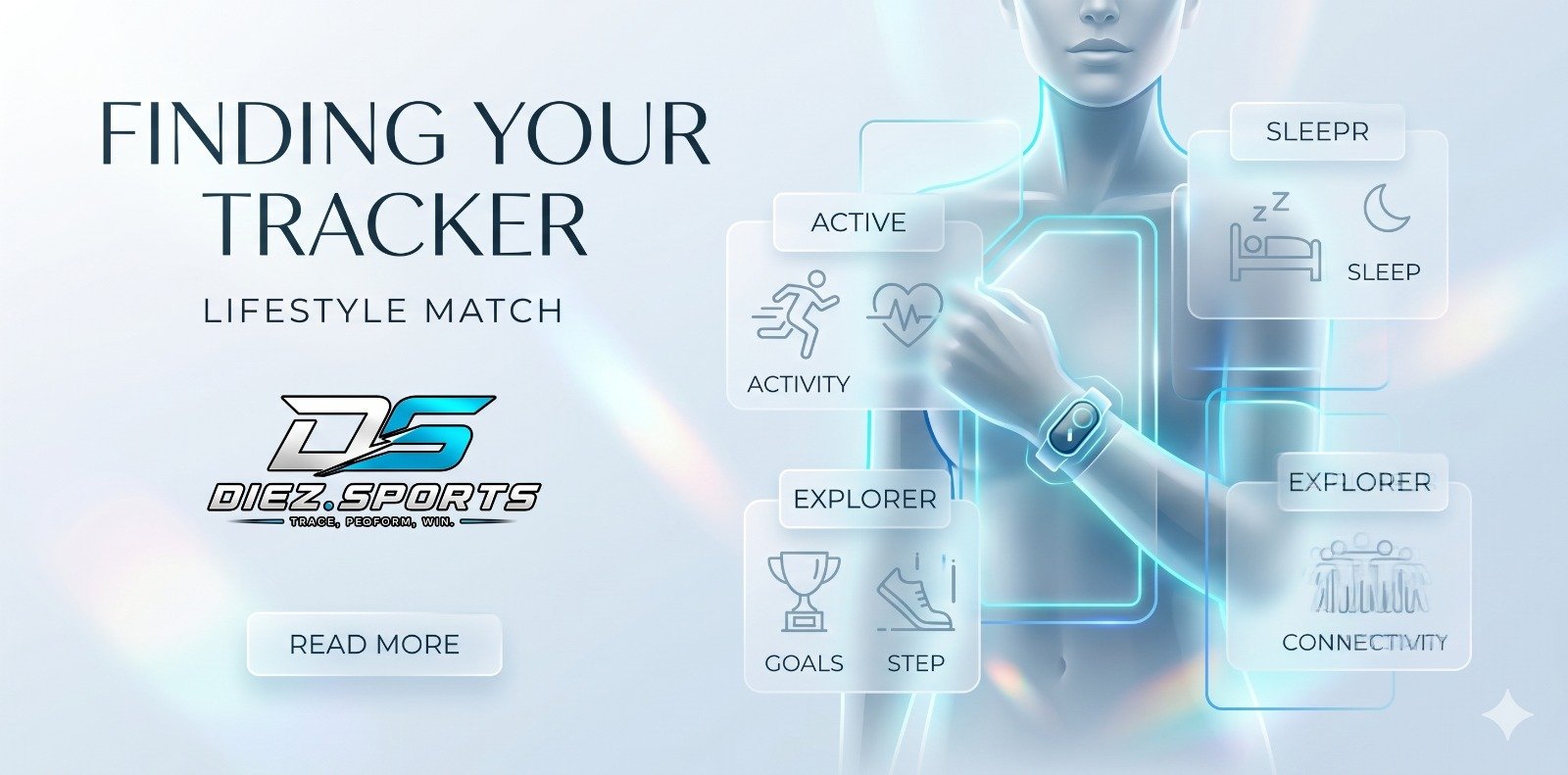
The answer depends entirely on individual needs and lifestyle preferences. Smart rings are ideal for users who prioritize comfort, wellness tracking, minimal design, and longer battery life. Smart watches are better suited for users who want interactive features, fitness tracking, communication tools, and productivity support.
Some users even combine both wearable devices to enjoy the benefits of each technology. A smart ring can provide continuous wellness monitoring while a smart watch manages communication and workout tracking.
At Diez Sports, we believe wearable technology should adapt to your lifestyle rather than forcing users into one solution.
The Future of Wearable Technology
The future of wearable technology looks incredibly exciting. Artificial intelligence, advanced sensors, improved battery systems, and smarter health tracking will continue transforming smart wearables in the coming years.
Both smart rings and smart watches will become more intelligent, more accurate, and more personalized. Future wearable devices may offer advanced health diagnostics, improved AI coaching, enhanced fitness analysis, and even deeper lifestyle integration.
As wearable technology becomes more advanced, users can expect even greater convenience, performance, and personalization from smart wearable devices.
Conclusion
The comparison between smart rings vs smart watches ultimately comes down to personal preferences and lifestyle goals. Smart rings provide lightweight comfort, advanced wellness tracking, and minimal wearable technology, while smart watches offer powerful fitness tracking, productivity tools, communication features, and interactive experiences.
Both devices are shaping the future of smart living and helping users stay healthier, more active, and better connected in everyday life.
At Diez Sports, we continue to deliver innovative wearable technology designed for performance, comfort, and modern lifestyles. Whether you choose a smart watch or a smart ring, wearable technology is becoming an essential part of the future.